
Cleaning a hoarder’s home isn’t just about scrubbing surfaces or hauling out trash. It’s a whole different beast—one that demands empathy, sharp instincts, and a willingness to tackle some pretty tough situations.
This work dives deep into mental health, involves a tangled web of people, and drops you into environments that can be hazardous. Professional hoarder home cleaning blends specialized training, honest communication, and a careful plan to turn unsafe homes into livable spaces—always with a focus on dignity.
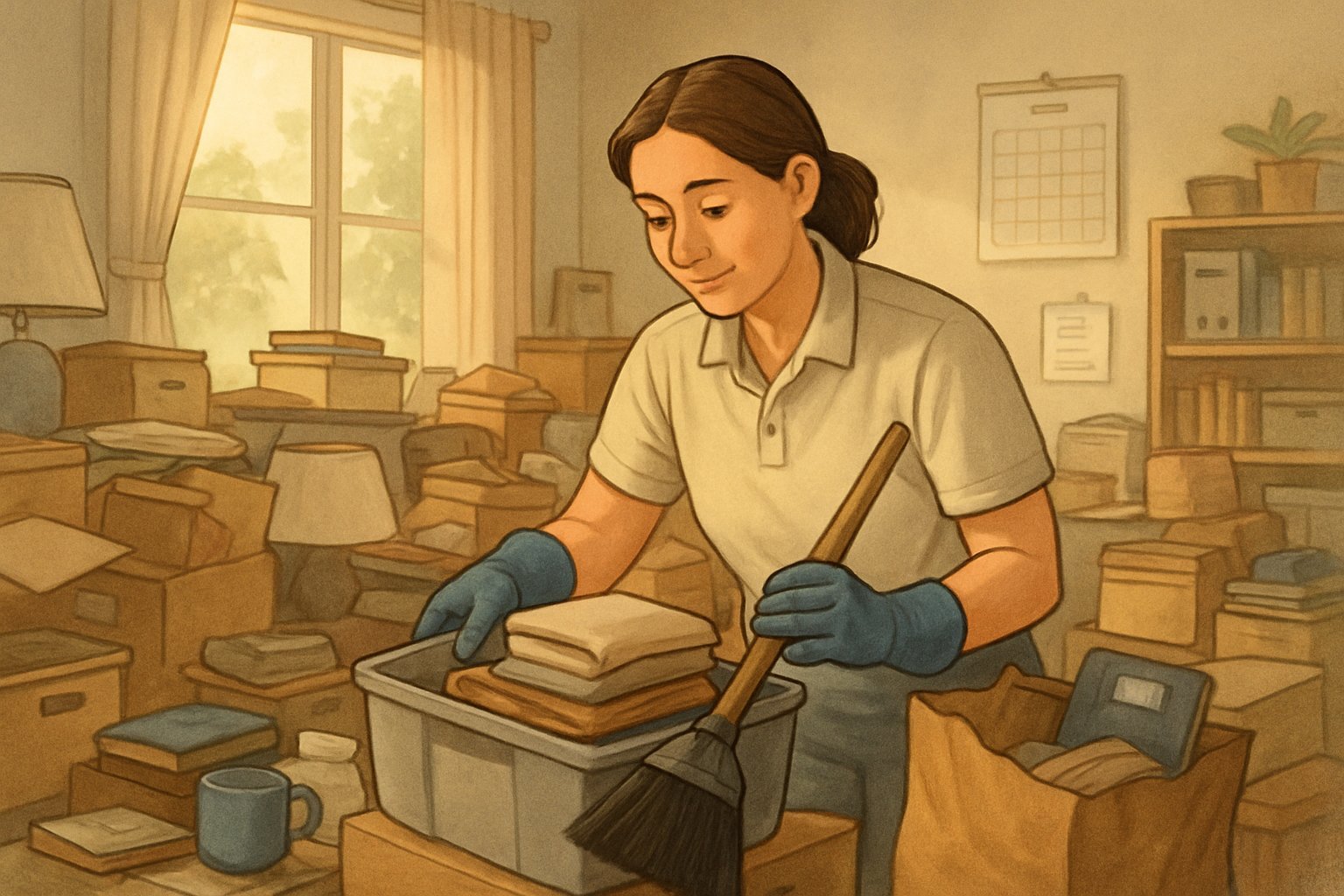
Hoarding disorder impacts about 2-6% of people, creating homes packed with so much stuff that they’re dangerous and unlivable. These cleanups usually mean working with stressed-out families, social workers, and sometimes doctors to figure out safe ways to remove all that clutter.
Crews need hazmat training, compassion, and some pretty creative sorting skills. Sometimes you’ll find blocked doors, sometimes a family heirloom wedged between piles of junk.
Hoarder home cleaning costs more than regular cleaning because the conditions are extreme, the gear is specialized, and the job drags on much longer. Knowing this upfront helps families and service providers set realistic expectations—both emotionally and financially.
Key Takeaways
- Hoarder home cleaning calls for training in mental health, safety, and hazardous materials
- Success comes from teamwork—families, social workers, and healthcare pros working together
- Prices reflect the tough conditions, special gear, long hours, and possible hazmat disposal
Understanding Hoarding Disorder
Hoarding disorder isn’t about laziness or being messy. It affects 2-6% of folks and has roots in anxiety, trauma, genetics, or even brain chemistry.
Defining Hoarding as a Mental Health Condition
The Diagnostic and Statistical Manual of Mental Disorders officially recognizes hoarding disorder. People with it struggle to let go of things, no matter their value.
When they try to throw stuff out, the anxiety can be overwhelming. Often, they think they’ll need it later or feel attached to things others see as junk.
This isn’t just a messy house. Key signs include:
- Trouble parting with possessions—even trash
- Distress at the thought of discarding anything
- Piles that block living areas and make normal life impossible
- Major stress or problems with daily functioning
Other mental health issues often show up alongside hoarding—depression, anxiety, ADHD, OCD. It’s rarely a solo act.
Distinguishing Clutter from Hoarding
Clutter and hoarding aren’t the same. Knowing the difference matters.
Clutter:
- Stuff is organized and easy to get to
- It’s temporary
- You can clean it up if you want
- The home still works as a home
Hoarding:
- Piles are chaotic and overwhelming
- No real system—just stuff everywhere
- Most things are buried or blocked
- Rooms can’t be used for their purpose
Hoarding can block exits and create fire hazards. People might not be able to cook, bathe, or even sleep in their own beds.
Telling someone with hoarding disorder to “just clean up” doesn’t help. The mental block is real, and outsiders often can’t grasp it.
Psychological Factors and Emotional Impact
Lots of things feed into hoarding disorder. Trauma, family history, and brain differences all play a part.
Common factors:
- Childhood trauma or major loss
- Family members who hoard
- Brain quirks in decision-making
- Perfectionism and fear of mistakes
Hoarding doesn’t just affect the person living in the mess. Families feel stress, shame, and sometimes their relationships crack under the pressure.
People with hoarding disorder usually feel deep shame about their homes. That shame pushes them to hide and avoid getting help.
The piles aren’t just “stuff”—they’re comfort, memories, or a shield against future worries. Letting go can feel impossible.
If families understand these emotional drivers, they’re more likely to approach the situation with kindness instead of judgment. Hoarding disorder needs real treatment, not a forced cleanout.
Health and Safety Risks Associated with Hoarder Homes
Hoarding brings danger into the home—plain and simple. Residents and cleanup crews both face risks like fire, structural collapse, and nasty biohazards from pests or filth.
Common Health Hazards in Hoarding Environments
Air quality tanks in hoarded homes. Dust, mold, and allergens build up when air can’t circulate.
People with asthma or allergies can really suffer. Mold thrives under piles where moisture hides.
Blocked pathways make trips and falls way more likely. If there’s an emergency, first responders might not even be able to get inside.
Chemicals sometimes leak from old containers, and when they mix, the fumes can get dangerous.
Poor sanitation is common—plumbing fails, garbage piles up, and basic cleaning gets impossible.
Key health hazards:
- Breathing problems from dust and mold
- Skin infections from bacteria
- Eye and throat irritation
- More falls and injuries
- Exposure to toxic chemicals
Fire Hazards and Structural Damage
Fire loves clutter. Newspapers, clothes, and cardboard near heaters or stoves can ignite fast.
If stuff piles up around outlets and wiring, electrical fires become a real threat. Overloaded circuits spark easily.
Blocked exits are a nightmare in an emergency. Firefighters say hoarded homes are some of the toughest and most dangerous to work in.
Structural damage happens when floors or walls can’t handle the weight. Sometimes, you’ll see sagging, cracks, or even collapse.
Leaks or water damage get worse when you can’t reach them to fix. That leads to rot and weak structures.
Big fire and structural risks:
- Flammable piles near heat or sparks
- Blocked doors and windows
- Electrical hazards everywhere
- Too much weight stressing the house
- Water damage that never gets fixed
Biohazard and Pest Infestation Risks
Pests love clutter. Rats, mice, and roaches find food and shelter in the mess.
They spread disease and leave droppings everywhere. Surfaces get contaminated fast.
Animal waste builds up if pets can’t get to clean spots. In worst cases, even human waste becomes a problem if bathrooms stop working.
Spoiled food attracts insects and rodents. Bacteria from rotten food spreads easily.
Body fluids and medical waste sometimes show up in severe cases. These need special cleanup and disposal.
Professional biohazard disposal is a must because:
- Regular cleaning won’t cut it
- Workers need protection from disease
- Laws control how you dispose of hazardous stuff
- Bad cleanup can spread germs
Disease risks include salmonella, E. coli, and worse. Before anyone starts cleaning, a pro needs to check things out.
Working with Families and Social Services
Cleaning a hoarder’s home isn’t a solo job. The best results come when cleaners, families, and community services all pull together.
Supporting Family Members Emotionally
Families get hit hard by a loved one’s hoarding. Frustration, embarrassment, and helplessness are common.
Typical feelings:
- Guilt for not stepping in sooner
- Shame about the mess
- Anger at resistance to help
- Fear for their loved one’s health
Cleaners should listen and reassure without judging. Remind families this is a mental health issue—not a personal failure.
Education helps. When families learn about hoarding disorder, the blame game slows down and the cleanup process gets more realistic.
Patience is key. Cleaning up takes time, and there will be setbacks—count on it.
Facilitating Cooperation and Communication
Good communication keeps cleanup projects on track. Set ground rules early so everyone knows what’s happening.
What works:
- Hold a meeting with everyone involved before starting
- Be honest about timelines and what’s possible
- Decide together how choices will be made
- Check in regularly
The person with hoarding disorder should get a say in every step. Their buy-in is crucial for lasting change.
Sometimes, families want to rush, but the individual can’t handle it. Mediating these moments takes skill and empathy.
Cleaners should explain each step before acting. Transparency builds trust and eases anxiety.
Things fall apart fast if someone feels ignored or if changes happen too suddenly.
Collaborating with Social Services and Support Groups
Social services can connect families with therapy, financial help, and ongoing support. These partnerships matter for tackling the root causes.
Who helps:
- Adult Protective Services for safety checks
- Mental health agencies for counseling
- Housing authorities for rental support
- Community health services for medical care
Support groups keep people going after cleanup. Both hoarders and families benefit from sharing with others who get it.
Cleaners should keep a list of local resources for families. Sometimes, these connections make the difference between relapse and real progress.
Social workers can help untangle tricky family dynamics. Their trauma-informed approach works well alongside cleaning skills.
Regular team meetings keep everyone moving in the same direction and avoid mixed messages.
Staging and Planning Cleanup Approaches
You can’t just dive in and start tossing stuff. A careful, step-by-step plan makes the impossible feel doable and keeps trust intact.
Initial Assessment and Risk Evaluation
Before lifting a single box, cleaners should document every hazard. Safety first—blocked doors, weak floors, mold, pests, all of it.
Main risks:
- Structural: shaky floors, ceiling problems, blocked hallways
- Health: mold, bad air, contamination
- Fire: blocked exits, flammable junk, sketchy wiring
- Pests: rodents, bugs, piles of waste
Teams should snap photos and map out the hazards. This helps decide what gear and extra help they’ll need.
They rate clutter levels too, from mild mess (Level 1) to total chaos (Level 5). That way, they know what they’re up against.
Some areas need attention right away—bathrooms and kitchens usually top the list.
Phased Cleanup Strategies
Breaking the job into phases keeps everyone from burning out. Most pros use a three-phase system that builds momentum.
Phase 1: Safety and Access Open up exits and carve out safe paths. Take care of urgent health threats and get at least one bathroom and the kitchen usable.
Phase 2: Room-by-Room Clearing Tackle one room at a time, start to finish. This shows visible progress and feels less overwhelming.
Phase 3: Organization and Systems Once the big piles are gone, set up storage and routines to keep things under control. This makes it easier to stay clutter-free.
After each phase, check in with the client. Let them process, regroup, and tweak the plan if needed.
Setting Realistic Goals with Clients
Hoarding cleanup really works best when you set goals together. You have to balance safety with what the client can actually handle.
Goals should be clear and doable. And you want them to be things you can measure along the way.
Effective Goal Examples:
- Clear a 3-foot pathway through the main hallway.
- Make the kitchen sink and stove usable again.
- Create a sleeping space free of clutter in the bedroom.
- Restore the bathroom so it works for daily use.
It’s not just about tossing stuff. Focus on making rooms functional and safe.
Give people time to process between sessions. Most projects take two to four weeks, with breaks after intense cleanup days.
Some rooms will go faster than you expect. Others might slow you down when you hit a tough spot.
Let clients help decide which rooms get tackled first. That way, they keep some control and the work fits their priorities.
Professional Hoarding Cleanup Services and Specialized Training
Professional hoarding cleanup isn’t just regular cleaning. These companies show up with real training, heavy-duty gear, and experience for complicated jobs.
They have to manage biohazards, deal with damage, and handle the emotional side too.
Role of Professional Hoarding Cleanup Companies
These teams do what ordinary cleaners can’t. They remove clutter and sort through everything, finding valuables like jewelry or important papers.
They coordinate recycling, donations, and proper trash disposal. If family wants to keep things, they’ll help pack and send items to different places.
Some services deal with paperwork for local agencies or government. They work with social services and property managers on legal stuff.
The best teams get what hoarding disorder is about. They build trust and treat clients with real empathy.
Companies like ServiceMaster Restore have decades of experience. Local offices know the community and its unique needs.
Essential Equipment and Protective Gear
Hoarding situations can be dangerous, so teams need special gear. Protective equipment keeps them safe from infection and contaminated spaces.
Essential protective equipment includes:
- Respirators and masks
- Heavy-duty gloves
- Coveralls or protective suits
- Safety goggles
- Steel-toed boots
They bring specialized tools for sorting and organizing. Labeling systems help clients decide what to keep, donate, or toss.
If they find biohazards, they’ve got the right disposal equipment. Mold, bacteria, even animal waste—they know how to handle it.
Industrial-strength cleaners knock out odors and contamination that regular products can’t touch.
Training for Sensitive and Complex Situations
Cleanup teams get trained in mental health awareness. They learn how hoarding affects people and families.
Training covers how to talk to clients who feel overwhelmed or embarrassed. They work at a pace that feels manageable for the client.
Workers learn to respect privacy and dignity. Something that looks worthless might mean a lot to someone.
Safety training teaches them how to move through cluttered spaces without getting hurt. They spot structural hazards and unsafe conditions right away.
Biohazard training prepares them for dangerous materials. Teams learn about disposal rules and safety steps for risky substances.
Pricing Considerations in Challenging Hoarder Environments
Professional hoarding cleanup can cost anywhere from $1,000 to over $10,000. It depends on how bad things are and how big the place is.
Knowing what drives these costs—and how honest companies give clear estimates—helps families plan for the investment.
Key Factors Influencing Cleanup Costs
Property size makes a big difference. Most companies charge $1 to $2 per square foot, so a smaller house costs less than a big one.
The severity of the hoarding is the biggest factor. Simple decluttering might cost $1,000 to $3,000. If there’s biohazard removal or repairs, it can go way above $10,000.
Major cost factors include:
- Biohazards like mold or animal waste
- Structural damage from too much weight or moisture
- Pest infestations that need treatment
- Need for extra protective equipment
- Huge piles of debris to haul away
Where you live matters too. Urban areas usually have higher labor costs but more disposal options. Rural areas might have cheaper labor but higher transport and disposal fees.
If stuff has been piling up for years, cleanup gets more complicated. Long-term hoarding brings more damage and contamination.
Transparent Pricing Models and Estimates
Good companies give written estimates after a full property assessment. They check for hazards, estimate what needs to go, and map out a timeline.
Estimates break down costs into categories. Labor is usually 60-70% of the total. The rest covers disposal, equipment, and any extra services.
A good estimate should include:
- Details for each room
- Hourly labor rates and time needed
- Equipment and supply costs
- Disposal and transport fees
- Extras like pest control
Some companies offer payment plans. Interest-free options help families start cleanup right away.
Free initial assessments mean no surprise costs. Honest pricing builds trust when families are already stressed out.
Frequently Asked Questions
People have a lot of questions about hoarder home cleaning. Concerns range from how to talk to clients, family involvement, when to call the pros, what kind of training is needed, pricing, and how the cleanup process works.
What are the recommended strategies for engaging with hoarders prior to beginning cleaning services?
Start with empathy. Hoarding is a mental health issue, not a sign of laziness.
Build trust with open, non-judgmental conversation. Listen to their concerns and validate how they feel about their stuff.
Explain the cleaning process in simple terms. Talk about which areas you’ll start with and what might need to go.
Set realistic expectations. Don’t promise quick fixes or make choices about their things without asking.
Check in regularly. Let the client voice worries and keep some control.
How can family members be effectively involved in the cleaning process while ensuring the hoarder’s dignity is maintained?
Family should focus on emotional support. Their job is to comfort and encourage, not direct the cleanup.
They can help spot items with special meaning. Families often know which things matter most.
Set boundaries so family doesn’t take over. Let the pros handle cleaning decisions while family offers support.
Families can help sort or pack, but they shouldn’t throw things out without the hoarder’s okay.
Good communication between everyone keeps roles clear and avoids conflict.
What are the signs that indicate a hoarding situation has progressed to a level requiring professional intervention?
If exits are blocked, fire hazards are present, or the home’s structure is damaged, it’s time for pros.
Pest infestations—like rodents or bugs—are a big red flag. These create serious health risks.
When basic functions—like using the bathroom or kitchen—aren’t possible, call for help.
Strong odors that won’t go away usually point to deeper problems. You might need heavy-duty equipment to fix it.
If utilities get shut off or landlords threaten eviction, professionals need to step in fast.
What type of training should cleaning professionals receive to handle the complexities of hoarder homes?
Cleaners need mental health awareness training. They should understand what drives hoarding.
Safety training is crucial. Workers must spot structural issues, pest problems, and health hazards.
Communication skills matter a lot. Professionals should know how to reduce anxiety and keep things respectful.
Special cleaning techniques help with extreme messes. Teams learn how to move heavy debris and remove tough odors.
Biohazard training is a must. Cleaners should know how to handle contaminated items and use protective gear.
How are cleaning services priced when addressing the extremes of a hoarder home environment?
Pricing usually depends on square footage and how severe the hoarding is. Cleaners look at how much stuff there is and how easy it is to reach.
Time estimates factor in sorting and removal. Extreme cases take way more hours than a standard job.
Disposal is a big part of the cost. Tons of debris might need several dumpsters and special handling.
Safety gear and tools add to the price. Extreme environments mean teams need more protection.
Extra services—like pest control or repairs—can drive up costs. Many homes need these before regular cleaning can even begin.
Can you outline a step-by-step approach for staging a hoarder home cleanup while ensuring safety and efficiency?
Start with an initial assessment. Check for safety hazards and clear basic entry pathways.
Look for structural problems as you go. Make sure all emergency exits stay accessible.
Focus on areas that affect health and safety first. Bathrooms, kitchens, and sleeping spaces need to work for daily living.
Set up a sorting system. Create piles for keeping, donating, and discarding items, and always involve the hoarder in decisions.
Clean the most critical areas before moving on. Tackling urgent spots first helps keep things moving in the right direction.
As you finish, do a deep clean and organize what’s left. Professional cleaners can help with odors, sanitizing, and setting up simple organization systems.
Take regular breaks. This gives the hoarder a chance to deal with any emotional stress and helps keep everyone on board.