
Running a cleaning business isn’t just about clients and profits. The hands-on labor, employee management, and daily operations can wear you down fast.
Long hours, back pain, and fatigue sneak up on a lot of cleaning business owners. It’s tough to keep work and life in balance when your body feels like it’s falling apart.
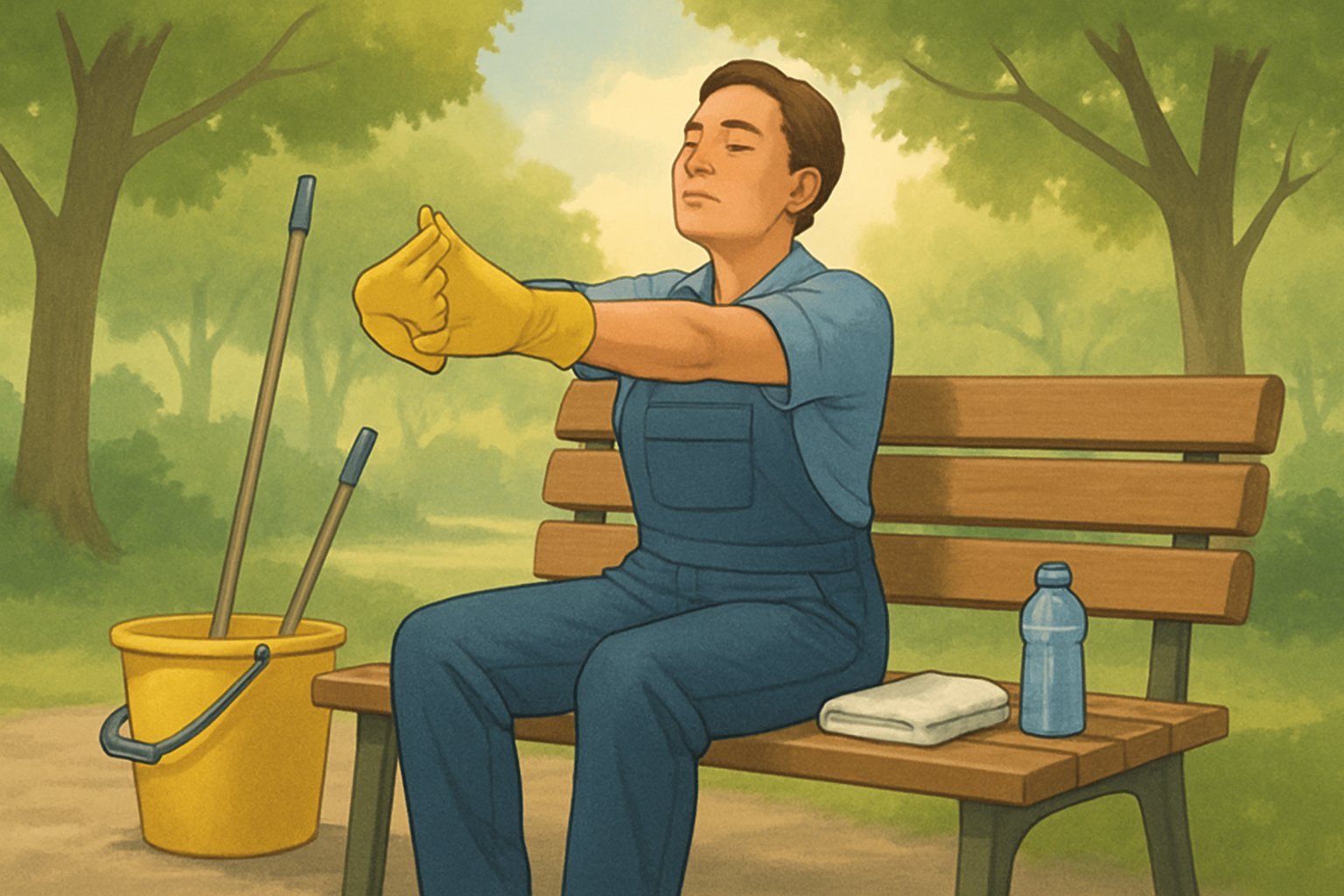
You can’t just power through forever. If you want your business to last, you’ve got to look after your health and sanity.
Spotting the warning signs early, setting boundaries, and learning to delegate—these are the real tools that keep you going. Without them, even the most driven owners can burn out way too soon.
Taking care of yourself isn’t selfish. It’s how you build something that lasts.
Focus on your body, manage your stress, and set up systems that don’t revolve around you 24/7. That’s how you protect your business and your relationships.
Key Takeaways
- Set boundaries and delegate instead of trying to do everything yourself.
- Physical self-care—like good ergonomics, regular breaks, and stress management—matters for your business’s future.
- Build systems and take real time off so your company isn’t glued to your constant presence.
Recognizing Burnout in Hands-On Cleaning Business Owners
Burnout creeps in slowly. Cleaning business owners often push through exhaustion until it’s too late.
You might notice chronic fatigue, irritability, or a loss of passion. These aren’t just bad days—they’re warning signs.
Identifying Burnout Warning Signs
Cleaning business owners get used to feeling tired. But when exhaustion doesn’t fade, that’s a red flag.
If you wake up already drained, that’s emotional exhaustion talking. Maybe you’re snapping at people or dodging calls and texts.
When motivation disappears, work feels like a chore. You might start procrastinating or feel disconnected from your own company.
Physical symptoms can pile up:
- Headaches or tense muscles
- More frequent colds
- Sleep issues
- Stomach troubles
If overwhelm becomes your default, even simple choices feel impossible. You might always feel behind, no matter how hard you work.
Understanding Burnout Symptoms Versus Depression
Burnout and depression look similar but aren’t the same. Burnout usually ties back to work stress, while depression spreads to all parts of life.
With burnout, you might still enjoy family or hobbies when you’re not working. Depression tends to make everything feel bleak.
Work stress from burnout eases up when you take time off. Depression doesn’t care about your schedule.
Burnout brings cynicism about your business or clients—thinking, “Does any of this matter?” Depression goes deeper, making you feel worthless overall.
If you’re not sure what’s going on, mental health professionals can help sort it out. Sometimes people deal with both, and that needs a different approach.
Impact of Burnout on Physical and Mental Well-Being
Burnout hits your body hard. Cleaning work is already physically tough, and stress just adds to the load.
Chronic stress weakens your immune system. You might catch more colds or infections, making it harder to keep up with work.
Sleep gets messed up, too. Even when you’re tired, your mind won’t shut off.
You might notice high blood pressure or heart issues. Headaches, back pain, and digestion problems can get worse.
Mentally, burnout makes it tough to focus or remember things. Anxiety about the business can spiral into constant worry.
Relationships take a hit. You might pull away from friends and family, losing support when you need it most.
Prioritizing Self-Care for Sustainable Success
Self-care isn’t just a buzzword—it’s the backbone of a healthy cleaning business. If you want to last, you need routines that protect your body and mind.
Establishing a Self-Care Routine
Consistency beats perfection. Find your stress points and plan around them.
Start your day with something simple—maybe 10 minutes of stretching, a good breakfast, or a quick run-through of your schedule.
Take a real break in the middle of your day. Even 15 minutes to hydrate, snack, and check in with your body helps.
Wind down at night. Try a warm shower, change into comfy clothes, eat away from your phone, and pick a time to stop checking messages.
Once a week, do something just for you. Get a massage, walk in the park, or pick up a hobby that’s got nothing to do with cleaning.
Little things, done daily, add up. Don’t worry about doing it perfectly—just keep at it.
Daily Mindfulness and Meditation Practices
Mindfulness isn’t complicated. A few minutes here and there can make a difference.
Try breathing exercises between jobs. Inhale for four counts, hold, then exhale for six. It’s simple but resets your stress.
Body scan meditations help you catch tension before it becomes pain. Just check in with your body for a few minutes.
You can even turn cleaning into a mindfulness exercise. Focus on each motion—vacuuming, wiping, whatever—and let your mind quiet down.
Write down three good things about your day. Gratitude builds resilience.
Apps make it easy to fit in a quick meditation. Even three minutes can help you get centered.
The Role of Exercise and Movement
Exercise doesn’t have to mean the gym. It just needs to support your work, not wear you out more.
Strength training twice a week helps. Focus on your core, shoulders, arms, legs, and glutes—these are your money-makers.
Get your heart rate up with walking, swimming, or cycling. Thirty minutes, a few times a week, keeps your endurance up.
Stretch before, during, and after work. Hit your lower back, shoulders, wrists, and hips.
Take active recovery days. Gentle yoga or a slow walk helps your body heal.
Move in ways that help you, not hurt you. Exercise should leave you feeling better, not wiped out.
Supporting Physical Health Amid the Demands of Cleaning Work
Cleaning work is rough on the body. You’ve got to be smart about how you handle the physical grind.
Managing Physical Strain and Fatigue
Don’t let exhaustion sneak up on you. Use good body mechanics—bend at the knees, keep your back straight, and don’t twist when lifting.
Use both hands to carry things. It spreads the weight out and saves your back.
Pick the right tools. Lightweight vacuums, ergonomic mops, and sturdy carts make a difference. Investing in quality tools pays off in less fatigue.
Stretch often. Neck rolls, shoulder shrugs, and back stretches fit between jobs. Some folks swear by basic yoga for staying limber.
Take micro-breaks every hour. Even 30 seconds to stretch or shift your stance helps keep you going.
Optimizing Sleep and Rest
You can’t outwork a bad sleep schedule. Try to go to bed and wake up at the same times—even if your hours are weird.
Wind down before bed. Turn off screens, take a shower, or stretch a bit.
Make your bedroom a good place to sleep—cool, dark, and quiet. Blackout curtains help if you need to sleep during the day.
Physical work can help you sleep, but avoid caffeine late and heavy meals before bed.
Nutrition and Hydration Habits
Food and water fuel your body, especially when you’re on your feet all day.
Drink water throughout the day. Don’t wait until you’re thirsty. Keep a bottle nearby.
Eat balanced meals—protein, healthy fats, and complex carbs. They keep your energy steady.
Smaller, more frequent meals beat giant lunches that slow you down.
Pack snacks you can eat on the go—nuts, fruit, yogurt, whole grains. You don’t need fancy prep.
Pay attention to what foods help you feel your best. Everyone’s different, so experiment a bit.
Setting Boundaries and Delegating Effectively
You can’t do it all. Protect your time and energy by saying no when you need to, and delegate smartly.
Learning to Say No and Protect Your Time
The requests never stop—last-minute jobs, discounts, extra services. If you don’t set limits, you’ll burn out.
Set clear policies. Have booking deadlines and cancellation rules. Tell clients up front, so there’s no confusion.
Keep a few go-to responses handy:
- “We’re fully booked for that slot.”
- “That service isn’t part of our offerings.”
- “We keep our pricing consistent for quality.”
Charge extra for emergencies or same-day bookings. Your time is valuable.
Set work hours and stick to them. Let voicemail take after-hours calls and respond when you’re back on the clock.
Delegating Tasks Without Losing Quality
Letting go is tough. You want things done right, and trust doesn’t come easy.
Start by handing off simple stuff—scheduling, inventory, admin. These free up your time without risking cleaning quality.
Use checklists to set standards:
| Task | Standard | Check Method |
|---|---|---|
| Bathroom cleaning | All surfaces sanitized | Photo verification |
| Vacuuming | All visible dirt removed | Spot checks |
| Kitchen cleaning | Appliances wiped down | Client walkthrough |
Train your team well. Shadow new hires, give feedback right away, and don’t send them solo until they’re ready.
Check quality with random inspections and client feedback. This helps you catch issues early and builds trust in your team.
That’s how you keep standards high while keeping your sanity intact.
Disconnecting from Work to Recharge
Completely disconnecting from work is one of the best ways to avoid burnout and rediscover motivation. Let’s be honest, cleaning business owners often check emails way too much or stress about tomorrow’s jobs even during their downtime.
Designated work-free hours really matter. Try turning off your business phone after 7 PM. Don’t check emails on weekends unless there’s a real emergency.
Physical separation helps set boundaries. Keep your work supplies in a different area than your living space. Changing out of work clothes right after your shift can signal it’s time to switch gears.
Plan activities that demand your full attention. Whether it’s exercise, a hobby, or hanging out with family, these things force you to focus on something other than work. They’re also great for reducing stress and lifting your mood.
Set up systems that run without you hovering. Automated scheduling software and clear employee procedures mean you don’t have to monitor every detail. You’ll get real time off and worry less about daily operations.
Managing Stress and Building Mental Resilience
Running a cleaning business brings its own kind of mental pressure. Burnout creeps up fast if you don’t have solid ways to manage stress. Learning specific techniques, knowing when to ask for help, and staying motivated during tough times really make a difference.
Stress Management Techniques for Cleaning Business Owners
Managing stress daily starts with noticing the early signs. Headaches, muscle tension, trouble sleeping—those are big red flags. Feeling overwhelmed or irritable? That’s your mind telling you to slow down.
Mindfulness practices are a lifesaver for busy owners. Take five minutes between jobs just to breathe. It’s simple, but it really does help reset your mental energy.
Time blocking keeps chaos at bay. Carve out specific hours for cleaning, business tasks, and personal time, then stick to those boundaries.
Move your body to shake off stress. Even a 15-minute walk between jobs clears your head. Stretching also helps with the physical side of cleaning work.
Create little rituals to mark the end of the workday. Change clothes, blast your favorite song, or jump in the shower—anything that helps you leave work at work.
Jot down what’s stressing you out and what actually helps. Keeping a stress journal builds a personal toolkit for handling pressure.
Recognizing When to Seek Professional Help
Sometimes stress just won’t budge, no matter what you try. If you can’t sleep for more than two weeks, or you keep waking up all night, it’s time to get help.
If daily tasks feel impossible even with good planning, reach out to a mental health professional. A therapist can offer strategies for business-related anxiety and stress.
Physical symptoms that stick around—like constant headaches, stomach issues, or chest tightness—mean your body’s asking for more support.
If you lose interest in your business, feel hopeless, or have thoughts of self-harm, please get help right away.
Look for therapists who know what it’s like to run a small business. They get the unique pressures you face.
Employee assistance programs through your business insurance might cover mental health support. Check your resources before paying out of pocket.
Maintaining Motivation During Challenging Times
Tough times test every cleaning business owner. Break big problems into smaller steps. It’s a lot easier to tackle one thing at a time.
Keep a success journal when things get rough. Write down three good things that happened each day, even if they’re tiny. It shifts your focus to the positive.
Connect with other business owners who get it. Join local groups or online forums for cleaning pros. Sharing stories can make you feel less alone.
Set realistic expectations when you’re stressed. It’s okay to lower your standards temporarily. Running at 80% is way better than burning out and shutting down.
Celebrate the little wins. Finished a tough job? Got a good review? Solved a nagging problem? Give yourself some credit—it helps build momentum for the next challenge.
Remind yourself why you started this business. Write down your goals and revisit them when motivation dips. It helps reconnect you to your bigger purpose.
Creating a Sustainable and Healthy Cleaning Business
Success in the cleaning business isn’t just about making money. You need systems that protect everyone’s well-being and keep burnout at bay, while still holding strong workplace standards.
Implementing Work-Life Balance Policies
Smart owners draw a line around work hours and time off. Setting a real start and end time stops you from working around the clock.
Establish no-contact hours—maybe after 7 PM or all day Sunday—when you won’t answer calls or emails.
Get a separate business phone number. That way, your personal phone stays yours, and you can actually turn off work calls.
Time-off policies should be real, not just words on paper. Take actual vacations and don’t check in constantly. When you rest, your team sees that you value downtime, too.
Emergency-only contact rules protect your personal life. Only true emergencies should break through after hours. Scheduling complaints? They can wait until morning.
Scheduling software can help prevent burnout by organizing work more efficiently. Let automated systems handle routine client needs.
Developing a Supportive Workplace Culture
A healthy culture starts with open conversations between owners and staff. Regular check-ins can spot stress before it snowballs.
Cleaning is tough on the body, so give your team proper equipment. Good tools make the job easier and show you care about their health.
Recognition programs boost morale. Simple things—like employee of the month or a bonus for great work—go a long way.
Training helps employees feel confident and ready for anything. When people know what to do, they stress less.
Fair scheduling matters. Rotate tough jobs so no one gets stuck with all the heavy lifting.
Every now and then, organize a group lunch or outing. People who feel connected to coworkers usually have less job stress.
Long-Term Strategies to Prevent Burnout
Grow your business at a pace you can handle. Taking on too many clients too fast just burns everyone out.
Build multiple income streams to ease financial pressure. Maybe sell cleaning supplies or offer special services.
Regular business health check-ins help you catch problems early. Take a hard look at finances, employee satisfaction, and your own stress every month.
Invest in business systems that save time and reduce stress. Automated billing, customer management, and scheduling free up your brain for bigger decisions.
Have a plan for passing on or selling your business someday. Knowing there’s an exit strategy takes the pressure off.
Get involved in industry groups. Other cleaning business owners have been where you are and can offer advice that actually works.
Frequently Asked Questions
Cleaning business owners face unique challenges, and burnout can sneak up if you’re not careful. Setting boundaries, sharing the load, and taking care of your health are keys for the long haul.
What are the best ways to set healthy boundaries to prevent overworking in a cleaning business?
Set clear work hours and stick to them. Decide how many clients you’ll take on each day or week.
Say no to last-minute requests when you need to. Make policies for emergency calls and weekend work.
Be upfront with clients about what your services include. Let them know when you’ll respond to calls or messages.
Use voicemail or scheduling apps during off-hours. It keeps work from creeping into your personal time.
How can cleaning business owners effectively delegate tasks to avoid personal burnout?
Hire people you trust and train them well. Start by handing off routine cleaning tasks to your team.
Give admin work like scheduling and invoicing to office staff when you can. It frees you up to focus on growing the business.
Write down step-by-step instructions for each task. When employees know exactly what to do, you don’t have to micromanage.
Check in regularly to make sure standards stay high. As your team proves themselves, you can delegate even more.
What strategies can be employed to ensure real time off for self-care in the cleaning industry?
Book your days off just like any other appointment. Treat your personal time as non-negotiable.
Cross-train your team so the business runs even when you’re away. Backup staff for key roles means you can actually unplug.
Use scheduling software to manage client expectations. Set automatic replies so clients know when you’ll be back.
Take short breaks during the workday, too. Even 10-15 minutes can help recharge your batteries.
What are the physical self-care tips that cleaning professionals should follow to maintain their health?
Use proper lifting techniques to protect your back. Bend your knees and keep your back straight when lifting anything heavy.
Pick ergonomic tools to save your joints and muscles. Long-handled mops and lightweight vacuums make a big difference.
Wear supportive shoes to avoid foot and leg pain. Non-slip soles help prevent falls on wet floors.
Stretch before and after work. A few minutes for your back, shoulders, and wrists can really help.
Drink water throughout the day. Staying hydrated keeps your energy up and helps prevent headaches.
How can cleaning business owners manage and reduce stress effectively?
Move your body regularly to burn off stress. Even a 20-minute walk can lift your mood.
Get enough sleep—aim for 7-8 hours a night. It’s one of the best ways to handle stress.
Practice deep breathing whenever you need a quick reset. Five slow breaths can calm your nerves.
Keep a network of other business owners for support. Talking things out with people who get it makes a huge difference.
Set realistic daily goals and expect the unexpected. Planning for hiccups helps keep stress in check.
What steps should be taken to create a sustainable cleaning business that prioritizes the owner’s well-being?
Build multiple revenue streams so you don’t rely on your own physical labor. Try offering a mix of cleaning services, or maybe sell cleaning products on the side.
Set up clear systems and processes so things don’t fall apart when you’re not around. Write down procedures so your employees can handle tasks without needing you to hover.
Invest in good equipment. Trust me, your back will thank you, and the work goes faster.
Price your services competitively, but don’t sell yourself short. Check in on your rates now and then—markets change, and so should your prices.
Think about growth before you get swamped. Hire help early so you don’t end up buried in work.