The pandemic changed business priorities. But the need for professional disinfection services just keeps growing—well beyond COVID.
Schools, gyms, medical offices, and other busy places now expect hospital-grade cleaning as part of daily life. That shift opens a big door for cleaning businesses to step up as health and safety experts.
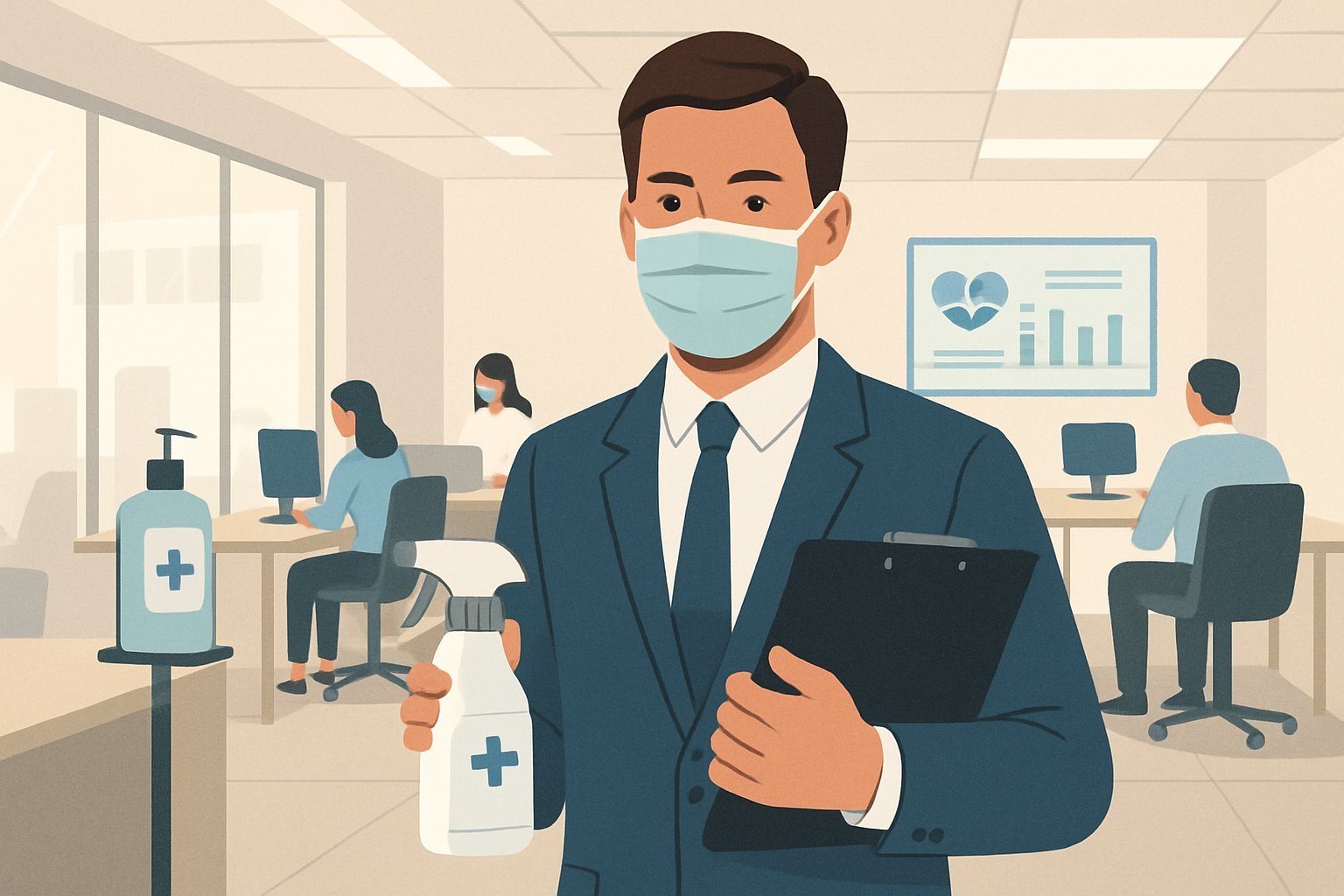
Professional disinfection services that use EPA-registered products and advanced methods like electrostatic spraying can bring in steady revenue. They also help build lasting client relationships.
Modern businesses get that a clean environment protects people and their reputation. They’re ready to pay for services that go beyond the basics and actually eliminate harmful pathogens.
To stand out, you need to understand the technical side of disinfection, get certified, and market your expertise to industries that care most about health and safety. If you master hospital-grade methods and communicate your knowledge well, you can become a trusted partner—not just another cleaning company.
Key Takeaways
- Professional disinfection services are still in high demand across schools, gyms, and medical facilities.
- EPA-registered products and electrostatic spraying help you deliver better results and charge premium rates.
- Certification and smart marketing to health-focused sectors build credibility and keep clients coming back.
Establishing Authority in Disinfection Services
Professional disinfection services call for specialized knowledge, equipment, and protocols. This goes way beyond just wiping up dirt.
These services use EPA-registered products and proven techniques that protect facilities all year. The health benefits are measurable and real.
Why Professionals Are Essential for Health and Safety
Trained disinfection teams bring expertise that regular staff just don’t have. They know the right chemical dilution ratios, how long products need to sit, and which safety steps matter most.
Professionals pick the best EPA-registered products for each pathogen. They follow strict rules for how much to use and how long to let it work.
They also use specialized equipment like electrostatic sprayers. This tech spreads disinfectants evenly, covering spots that manual cleaning misses.
Key Professional Advantages:
- Up-to-date on federal and state regulations
- Proper use of personal protective equipment
- Know-how with chemical compatibility
- Training in hazardous material handling
Professionals keep detailed logs and documentation. That helps facilities meet health inspection requirements and creates real accountability.
Key Benefits Beyond COVID-19
Commercial disinfection services tackle more than just viruses. Bacteria, fungi, and other harmful germs are always a threat in shared spaces.
Regular sanitization by pros can cut down on employee sick days. Studies show that disinfected workplaces see fewer colds, stomach bugs, and respiratory infections.
Deep cleaning targets high-touch surfaces where germs multiply fast. Door handles, keyboards, and shared gear can harbor nasty bacteria that basic cleaning just can’t handle.
Professional disinfection can also improve indoor air quality. Specialized treatments cut down on allergens, mold spores, and airborne nasties.
Ongoing Health Benefits Include:
- Less spread of seasonal flu
- Fewer foodborne illnesses
- Reduced allergy symptoms
- Mold prevention
- Control of antibiotic-resistant bacteria
These services make spaces safer for everyone, especially kids, elderly people, and those with weakened immune systems.
Differentiating Disinfection from Basic Cleaning
Basic cleaning takes care of visible dirt but doesn’t kill microorganisms. Disinfection services use hospital-grade chemicals designed to eliminate pathogens.
Cleaning services usually focus on how things look. Professional disinfection targets invisible threats that can cause serious health problems.
Key Differences:
| Basic Cleaning | Professional Disinfection |
|---|---|
| Removes visible dirt | Kills pathogens and germs |
| Uses general cleaners | EPA-registered disinfectants |
| Manual application | Electrostatic spraying technology |
| Focus on appearance | Focus on health protection |
Disinfection follows strict contact time rules. Surfaces need to stay wet for a certain amount of time to actually kill germs.
Training for disinfection techs is much more in-depth. They learn chemical handling, safety protocols, and compliance standards that regular cleaning staff just don’t get.
Ongoing Demand for Hospital-Grade Disinfection
Hospital-grade disinfectants are now the norm in many industries, not just healthcare. Regulations require specific protocols for killing bacteria and viruses, and businesses have adopted thorough cleaning strategies for high-touch areas.
Current Industry Expectations and Regulations
The healthcare industry expects strict standards from disinfection services. EPA-registered products must prove they work against certain pathogens to earn the hospital-grade label.
Facility managers are watching closely. They want proof of product effectiveness and detailed records of how and where products get used.
Many contracts now spell out exact dwell times and concentrations for each surface. Providers need to meet these requirements to keep their clients.
Key regulatory requirements include:
- EPA registration numbers for all disinfectants
- Material Safety Data Sheets (MSDS) for each product
- Staff certifications for application techniques
- Regular quality assurance inspections
Healthcare facilities audit disinfection protocols regularly. Service providers keep detailed logs to show compliance during inspections.
Protecting Against Bacteria and Viruses Year-Round
Hospital-grade disinfection targets a wide range of pathogens. Products eliminate common bacteria like MRSA and VRE that cause infections all year.
Viruses stick around indoors no matter the season. Norovirus, flu, and RSV all need ongoing disinfection protocols. Hospital-grade products keep working against these threats when used right.
Year-round pathogen concerns include:
- Antibiotic-resistant bacteria
- Foodborne illness pathogens
- Respiratory viruses
- Skin and soft tissue infections
Businesses now see that strong disinfection prevents outbreaks. Schools, gyms, and offices use hospital-grade protocols to protect people and reduce liability.
High-Touch Surface Protocols
High-touch surfaces need special attention. Door handles, elevator buttons, handrails, and shared equipment are hotspots for germs.
Service providers follow a specific order: clean off visible debris first, then apply disinfectant for the right amount of time. Different surfaces sometimes need different products or methods.
Critical high-touch areas include:
- Reception desks and counters
- Light switches and control panels
- Keyboards and touchscreens
- Restroom fixtures and dispensers
How often you treat these spots depends on location and use. Medical offices might need several treatments a day, while corporate offices might go for twice daily. Providers document each cycle to make sure nothing gets missed.
EPA-Registered Products and Cleaning Technologies
Professional disinfection services rely on EPA-registered products. These products go through tough testing to make sure they work against specific viruses and bacteria.
Importance of Using EPA-Registered Disinfectants
EPA registration is the backbone of professional disinfection. The EPA tests each product to confirm it kills certain pathogens when used as directed.
List N products kill SARS-CoV-2 and other coronavirus types. These disinfectants meet tough standards for hospital-grade cleaning.
Service providers can only claim to kill germs if they’re using EPA-registered products. Non-registered cleaners don’t have proof they work against disease-causing bugs.
Key benefits include:
- Legal compliance with federal rules
- Proven effectiveness against target pathogens
- Professional credibility with clients
- Insurance protection for liability claims
Hospitals, schools, and medical facilities often require these products in their contracts. That protects everyone involved.
Product Safety and Environmental Considerations
EPA registration checks for safety, too. Disinfectants need to be safe for people and the environment.
Product labels share key info: contact times, dilution rates, and what protective gear to wear.
Many EPA-registered disinfectants are gentler than old-school bleach. They cut down on fumes and lower the risk of skin irritation.
Environmental perks include:
- Biodegradable ingredients that break down easily
- Low VOC formulas for cleaner air inside
- Less packaging waste thanks to concentrates
- Non-corrosive properties that are easier on surfaces
Service providers should match products to each client’s needs. Daycare centers, for example, need gentler options than factories.
Advanced Disinfection Techniques: Electrostatic Spraying
Electrostatic spraying charges disinfectant droplets so they stick to surfaces—even the tricky spots that regular cleaning misses. This technique gives you 360-degree coverage, uses less chemical, and boosts disinfection results.
How Electrostatic Sprayers Work
The sprayer gives each droplet a positive charge as it leaves the nozzle. Most surfaces have a negative or neutral charge, so the droplets are drawn to them like magnets.
This means disinfectant sticks to vertical surfaces and wraps around curves. The charged particles spread out evenly, instead of floating away like with foggers.
Key components:
- Charging chamber for electrifying particles
- Specialized nozzle for the right droplet size
- Tank for EPA-registered disinfectants
- Battery-powered or corded motors
This tech works with most water-based disinfectants. Techs can tweak the settings for different spaces.
Advantages Over Traditional Methods
Traditional cleaning can miss up to 70% of surfaces. Electrostatic spraying covers everything in less time and with better results.
Coverage benefits:
- Reaches under desks and behind equipment
- Coats odd-shaped surfaces and tight spots
- Clings to vertical walls and doors
- Wraps around handrails and fixtures
It uses 65% less chemical than old-school spraying. That saves money and is better for the environment.
Operational advantages:
- Quicker than wiping everything by hand
- No oversaturation or mess
- Minimal disruption to daily routines
- Safe for sensitive electronics
With this tech, pros can treat huge spaces fast. The even coating dries quickly, so people can get back to work sooner.
Certification and Training Options
Disinfection services need staff with real certifications in infection control and chemical safety. Ongoing training keeps teams up to date with CDC guidelines and safety standards.
Industry Certifications for Disinfection Professionals
Several certifications validate expertise in professional disinfection. The IJCSA Medical Cleaning Certification (MCC) offers in-depth training for healthcare cleaning and disinfection.
This 40-hour course covers 15 key topics, including:
- Universal Precautions
- OSHA Bloodborne Pathogen Standards
- CDC Environmental Infection Control
- PPE protocols
- COVID-19 specific procedures
You’ll need Customer Service, Chemical Hazards, and Bloodborne Pathogens certifications first. The program works for hospitals, clinics, labs, nursing homes, and daycare centers.
Other useful certifications include EMist Health-e Certification for electrostatic sprayer use. That training focuses on the right way to use the gear.
The CDC has guidance-based courses through OSHAcademy, too. These teach cleaning and disinfection protocols for public spaces and workplaces.
Janitorial services can choose from several certification paths, depending on their target clients.
Staff Training and Continuing Education
Regular staff training keeps service quality up and helps everyone follow safety rules. Online training platforms let cleaning teams pick times that actually work for their schedules.
Training should cover chemical dilution ratios, contact times for EPA-registered products, and how to prep surfaces. Staff also need to spot high-touch areas and know where germs like to linger.
Continuing education brings teams up to speed on new products and changing guidelines. Some programs toss in refresher courses or more advanced topics.
Documentation helps prove to clients that staff finished their training. Certificates show a real commitment to health and safety standards.
Training costs can start at $49 per month for basic online courses. More comprehensive programs can go up to $399 per month.
This investment usually includes equipment training and business certification steps.
Marketing Disinfection Expertise to Key Sectors
Every sector has its own challenges and rules when it comes to health and cleaning. Schools want child-safe protocols, gyms need odor control, and medical facilities expect hospital-grade standards.
Tailoring Disinfection Services for Schools and Educational Facilities
Schools deal with germs all the time, thanks to students and staff. Disinfection services should use child-safe products and work around the school’s schedule.
Highlight EPA-registered disinfectants that are non-toxic for kids. It’s smart to mention experience with high-touch spots like desks, door handles, and playgrounds.
Marketing should tackle concerns like:
- Reduced absenteeism with thorough sanitizing
- Weekend and holiday scheduling to keep classes running smoothly
- Sports facility cleaning for locker rooms and gyms
- Meeting health department requirements
School administrators love seeing real results. Show case studies where regular cleaning led to fewer illnesses. Offer a trial program during flu season to prove the point.
Budgets are tight in education. Set up tiered service packages for different budgets. Maybe even offer discounted summer deep-cleaning when schools have some wiggle room.
Promoting Services to Gyms and Fitness Centers
Gyms need frequent cleaning because everyone shares equipment and, honestly, there’s a lot of sweat. Owners know that a clean gym keeps members coming back.
Focus your marketing on member safety and equipment longevity. If a gym smells bad or looks dirty, people leave.
Here’s what matters:
| Service Area | Key Benefits |
|---|---|
| Equipment sanitization | Prevents skin infections and illness |
| Locker room deep cleaning | Controls odors and bacteria |
| Air purification | Reduces airborne pathogens |
| Floor disinfection | Prevents athlete’s foot and other infections |
Gym owners want flexible scheduling that won’t mess with peak hours. Most prefer early morning or late evening cleanings.
Quick-drying formulas matter—nobody wants slippery equipment. Electrostatic sprayer tech helps cover tricky surfaces evenly.
Offer membership surveys before and after you start. That way, you’ve got actual data on customer satisfaction.
Engaging Medical Offices and Healthcare Clients
Healthcare facilities demand the strictest cleaning standards. They expect hospital-grade disinfection that meets all the rules.
Medical offices care about infection control and patient safety more than cost. They know the risks of sloppy cleaning.
To win these clients, show:
- Certification documentation for staff trained in healthcare protocols
- EPA-registered products approved for medical use
- Detailed reports on what you cleaned and which products you used
- Emergency response for exposure incidents
Healthcare clients want technicians who get medical lingo and infection control basics. Staff should know the difference between cleaning, sanitizing, and sterilizing.
Give them compliance checklists to help with health department inspections. Facilities get checked often and need partners who keep them in the clear.
References from other healthcare clients go a long way. One happy medical practice can easily lead to more referrals.
Frequently Asked Questions
Business owners usually have questions about hospital-grade disinfection, EPA product rules, and advanced application methods. Marketing to specialized facilities and keeping the right certifications means understanding compliance and what each industry expects.
What are the implications of ongoing demand for hospital-grade disinfection in the post-COVID era?
Demand for hospital-grade disinfection is still strong everywhere. Companies want the same level of cleanliness they saw during COVID-19.
This means steady revenue for disinfection service providers. Businesses now see professional disinfection as a must, not just a nice-to-have.
Hospital-grade standards call for specific contact times and product strengths. Providers need to document their processes.
And it’s not just hospitals anymore. Offices, shops, and restaurants want hospital-level cleaning too.
How can businesses ensure they’re using EPA-registered disinfection products and why is this important?
EPA registration means the product actually works against certain pathogens. The EPA gives each product a unique registration number.
Service providers should double-check registration numbers on the EPA’s database. That way, they know the products meet federal safety and effectiveness rules.
Using non-registered products is risky. Clients could get in trouble with health inspectors if you use the wrong stuff.
EPA-registered products come with detailed label instructions. Following those keeps both the provider and the client safe from legal headaches.
Can you detail the advantages and application techniques of electrostatic sprayers in disinfection services?
Electrostatic sprayers charge disinfectant droplets as they leave the nozzle. Those droplets then stick to surfaces for better coverage.
Charged droplets wrap around objects and hit hidden spots. This method covers about 75% more surface area than regular sprays.
To use it, hold the sprayer 6-8 inches from the surface. Move in steady, overlapping lines to cover everything.
These sprayers cut chemical waste by up to 50%. They also speed up the process, so techs can clean more places each day.
What certification programs are recommended for companies offering disinfection services to establish credibility?
The Institute of Inspection, Cleaning and Restoration Certification offers Applied Microbial Remediation Technician credentials. This program covers pathogen ID and the right disinfection methods.
The Cleaning Industry Management Standard gives certification for infection prevention. It’s focused on healthcare-level cleaning.
OSHA 10-Hour General Industry Training covers chemical safety. This protects workers and shows clients you’re serious about compliance.
Some states require special licenses for antimicrobial work. Always check local rules before offering disinfection services.
What strategies are effective for marketing disinfection services to education and fitness facilities?
Schools put student and staff health above costs. Marketing should stress reduced absenteeism and healthier classrooms.
Gyms have their own challenges—lots of high-touch equipment and moisture. Highlight expertise with gym-specific cleaning protocols.
Both groups like seeing case studies and references from similar places. Testimonials from school admins and gym managers help build trust.
Timing is key. Schools want cleaning before a new semester, while gyms need regular monthly or weekly treatments.
What considerations should be made when offering disinfection services to medical offices to ensure compliance and safety?
Medical facilities have to follow OSHA Bloodborne Pathogen Standards and CDC guidelines. If you’re offering disinfection, your team needs solid training on handling medical waste and understanding patient privacy rules.
HIPAA compliance isn’t optional. You’ll need to run background checks on every technician, and make sure workers steer clear of patient information or medical records during service calls.
Medical offices rely on specialized equipment, and it’s easy to mess something up if you’re not careful. Disinfection protocols should always protect sensitive medical devices from damage.
Documentation really matters here. Services should provide detailed reports that show they’re meeting infection control standards.