
Cleaning for Clients with Allergies, Asthma, and Chemical Sensitivities: Safe Solutions for Health-Conscious Homes
 CE CleanerHQ Editorial
·
August 17, 2025
·
15 MIN READ
CE CleanerHQ Editorial
·
August 17, 2025
·
15 MIN READ
A lot of people deal with allergies, asthma, or chemical sensitivities, and for them, regular cleaning products can be a real problem. Standard cleaning chemicals might trigger breathing issues, skin flare-ups, or other symptoms that are anything but minor.
This opens up a big opportunity for cleaning businesses that actually know how to keep these clients safe.
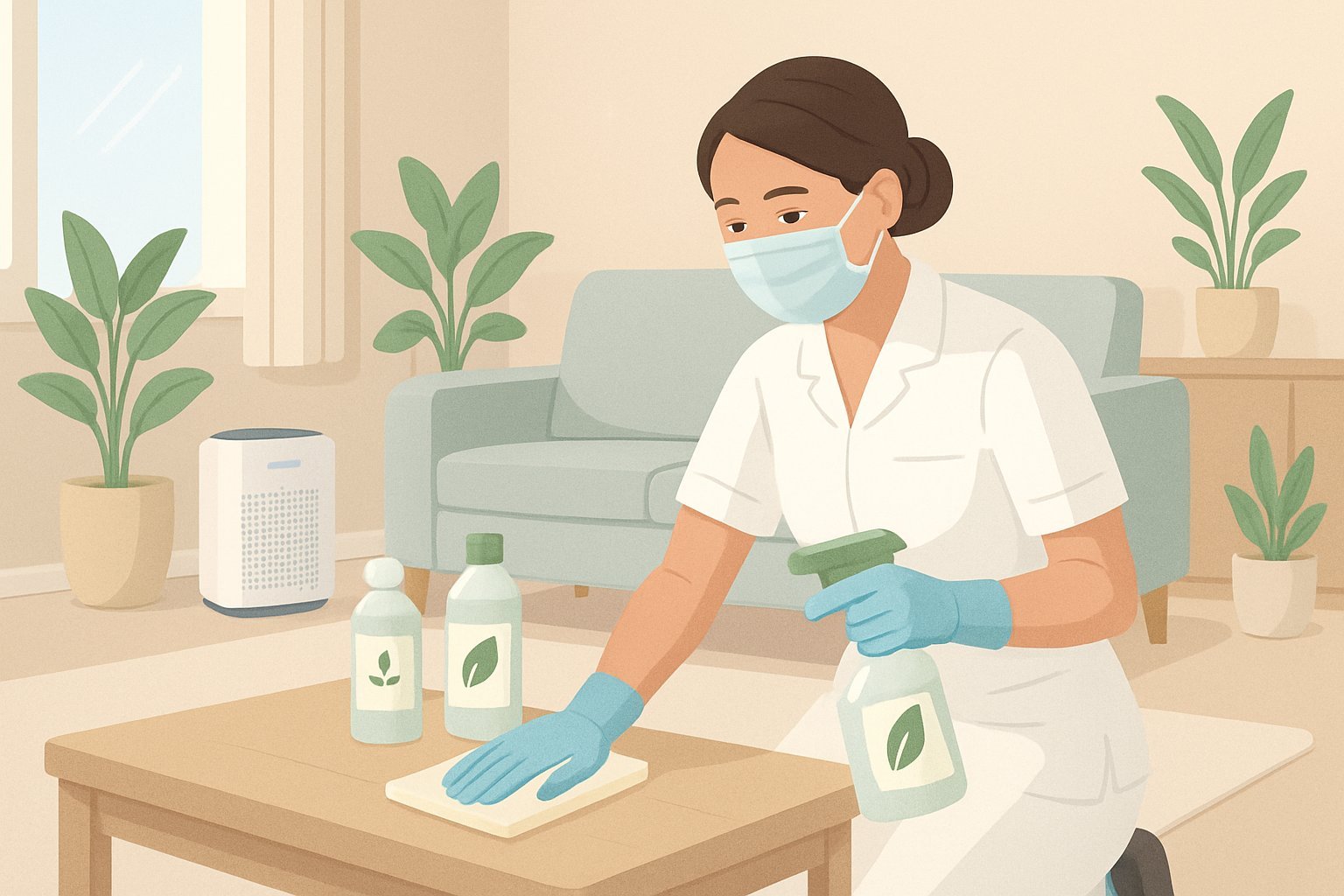
Professional cleaners who use hypoallergenic products, HEPA filter vacuums, and fragrance-free solutions can reach a premium market of health-conscious clients. These clients aren’t just after a tidy home—they want cleaning that removes allergens without adding new irritants.
Success here means knowing which products are safe, how to keep allergens from spreading, and how to market these services to the right people. Cleaners who get this right can build a loyal client base that values health, even if it costs a bit more.
Key Takeaways
- Clients with allergies and chemical sensitivities will pay premium prices for safe cleaning services that use hypoallergenic and fragrance-free products.
- HEPA filter vacuums and proper cross-contamination prevention are essential for removing allergens without spreading them throughout the home.
- Marketing specialized allergy-safe cleaning services requires targeting health-conscious clients who prioritize their wellbeing over cost savings.
Understanding Allergies, Asthma, and Chemical Sensitivities
People with allergies, asthma, and chemical sensitivities react to common substances found in most homes and cleaning products. These reactions range from mild skin irritation to serious breathing problems that might need immediate medical help.
Common Triggers in Cleaning Environments
Dust mites are everywhere—especially in carpets, bedding, and furniture. When you clean, their waste gets airborne and can set off strong reactions.
Pet dander from cats, dogs, and other animals clings to surfaces. Cleaning can send these tiny bits floating into the air, where people breathe them in.
Chemical triggers include:
- Ammonia-based cleaners
- Bleach and chlorine products
- Fragrances and scented products
- VOCs (volatile organic compounds)
Pollen sneaks into homes through open windows and on clothing. It settles on surfaces and gets stirred up during cleaning.
Mold likes damp spots like bathrooms and basements. Cleaning these areas can release mold spores into the air—bad news for anyone sensitive.
Strong chemical fumes from traditional cleaning products can cause immediate reactions. Fragranced products are especially rough for sensitive folks.
How Allergens Affect Sensitive Individuals
The immune system in allergic people treats harmless substances as threats. When exposed to allergens, their bodies release chemicals like histamine that cause symptoms.
Asthma affects the airways in the lungs. Triggers cause swelling and extra mucus, making it tough to breathe—and sometimes downright dangerous.
Reaction severity depends on:
- Amount of exposure
- Length of exposure time
- Individual sensitivity levels
- Presence of multiple triggers
People with chemical sensitivities might react to tiny amounts of substances. Their symptoms can stick around for hours or even days.
Some folks have multiple sensitivities. They react to both natural allergens like pollen and synthetic chemicals in cleaning products.
Cross-contamination spreads allergens from one area to another through cleaning tools. This can trigger reactions in rooms that were safe before.
Recognizing Allergy and Asthma Symptoms
Respiratory symptoms usually show up first:
- Sneezing and runny nose
- Coughing and wheezing
- Shortness of breath
- Chest tightness
Skin reactions often happen quickly after contact:
- Red, itchy skin rashes
- Raised hives
- Swelling around eyes and lips
- Dry, cracked skin
Eye symptoms include redness, itching, and lots of tears. These often come with nasal symptoms.
Severe asthma attacks need immediate medical attention. Warning signs include trouble speaking, blue lips or nails, and extreme breathing difficulty.
Some people don’t react right away. Symptoms may show up hours after exposure.
Emergency symptoms that need urgent help:
- Severe difficulty breathing
- Swelling of face, lips, or tongue
- Rapid pulse or dizziness
- Widespread hives or skin reactions
Benefits of Hypoallergenic and Fragrance-Free Cleaning Products
Hypoallergenic cleaning products use gentle formulas to lower the risk of allergic reactions. Fragrance-free options skip synthetic scents that often set off respiratory issues and skin irritation.
These specialized products help protect people with asthma, allergies, and chemical sensitivities from harmful reactions.
Defining Hypoallergenic Cleaning Solutions
Hypoallergenic cleaning products aim to minimize allergic reactions. They focus on gentle, non-irritating ingredients that still get the job done.
Key characteristics include:
- No harsh chemicals or sensitizers
- No common allergens like dyes
- Tested for minimal skin and respiratory irritation
Traditional cleaning products often contain chemicals that can trigger asthma or allergies. Hypoallergenic alternatives stick to safer ingredients.
Many hypoallergenic products need to remove over 85% of allergens from surfaces without putting them back into the air. That way, cleaning doesn’t mess up indoor air quality.
Certified hypoallergenic products go through tough testing for allergen removal and chemical emissions. Third-party certification gives some real peace of mind.
Why Fragrance-Free Products Matter
Fragrance-free cleaning products skip synthetic scents that often trigger respiratory problems and allergies. For people with asthma, allergies, and chemical sensitivities, these are non-negotiable.
Conventional cleaning products release VOCs that hurt indoor air quality. Fragrance-free products cut these emissions way down.
Benefits include:
- Fewer asthma attacks and allergic reactions
- Better indoor air quality
- Safer for kids and babies
- Fewer headaches and less respiratory irritation
Unscented all-purpose cleaners and laundry detergents clean just as well as the scented stuff. The lack of fragrance doesn’t mean less cleaning power.
Sensitive Skin and Health Considerations
People with sensitive skin need cleaning products that won’t cause irritation or allergic contact dermatitis. Sensitive skin laundry detergents remove allergens from fabrics without leaving behind harsh residues.
Health considerations include:
- Avoiding formaldehyde and other sensitizers
- Preventing skin rashes and eczema flares
- Reducing respiratory symptoms in vulnerable people
Cleaning products can cause problems through skin contact and by sending particles into the air. Hypoallergenic formulas tackle both.
Sensitive folks might react to preservatives, dyes, and chemical fragrances in standard products. Specialized products ditch these triggers but still clean well.
Long-term exposure to harsh chemicals can make asthma and allergies worse. Gentler products help keep symptoms from spiraling.
Selecting Safe Cleaning Products for Sensitive Clients
Choosing safe cleaning products for clients with allergies or sensitivities means avoiding harsh chemicals and sticking to fragrance-free options. Picking the right ingredients can cut down on reactions while still delivering good cleaning results.
Ingredients and Chemicals to Avoid
Professional cleaners should steer clear of several big irritants. Quaternary ammonium compounds (quats), found in many disinfectants, can trigger asthma.
Sodium hypochlorite (bleach) gives off chlorine gas that’s rough on the lungs. Some clients can’t handle even a whiff.
Synthetic fragrances hide dozens of unlisted chemicals. These can cause headaches, breathing issues, and skin reactions.
VOCs (volatile organic compounds) float into the air and hurt indoor air quality. Formaldehyde, ammonia, and petroleum-based solvents are common culprits.
Preservatives and surfactants like parabens and sulfates can cause skin issues. Even “natural” products sometimes sneak these in.
Always check ingredient lists. If a product doesn’t list all its ingredients, it’s probably not a good fit for sensitive clients.
Top Hypoallergenic Cleaning Agents
Unscented all-purpose cleaner is the backbone of allergy-safe cleaning. Brands like Seventh Generation skip synthetic fragrances and harsh chemicals.
White vinegar mixed with water makes a simple, powerful cleaner. It tackles soap scum and mineral deposits without chemicals.
Baking soda is a gentle scrubber and deodorizer. It cleans without fumes or residue.
Steam cleaning uses only water, heated up. It kills bacteria and dust mites without any added chemicals.
Microfiber cloths pick up dust and dirt with just water. They cut down on the need for chemical cleaners.
Latex-free gloves keep both cleaners and clients safe from skin irritation. Nitrile gloves work well and avoid latex allergies.
Safe Laundry Solutions for Allergies
Unscented laundry detergent helps prevent fabric-related allergic reactions. Dropps Sensitive Skin pods and similar products skip enzymes, dyes, and perfumes.
Fragrance-free fabric softeners or plain white vinegar add softness without chemicals. Traditional softeners can leave residues that bother sensitive skin.
Hot water washing (130°F or higher) kills dust mites. This temp gets allergens out of bedding and clothes.
Double rinsing washes away leftover detergent. Extra rinse cycles help ensure nothing lingers in the fabric.
Natural drying methods beat dryer sheets for sensitive clients. Air drying or wool dryer balls avoid extra chemicals.
Managing Airborne Allergens and Improving Indoor Air Quality
Professional cleaning services need to use HEPA filter vacuums to grab microscopic allergens and pick the right air purifiers for each room. A few smart techniques can help cut down on cross-contamination and keep airborne triggers in check.
The Importance of HEPA Filter Vacuums
HEPA filter vacuums catch 99.97% of particles 0.3 microns or bigger. That includes pet dander, pollen, and dust mite waste—stuff regular vacuums just blow around.
Standard vacuum filters miss these tiny bits. For sensitive clients, cleaners need true HEPA filters, not just “HEPA-type” lookalikes.
Key HEPA vacuum features:
- Sealed system to stop air leaks
- Multiple filtration stages
- Strong suction
- Easy filter changes
Eureka and Dyson make solid HEPA vacuums for pros. Empty the bag or canister outside when you can.
Replace HEPA filters as often as the manufacturer says. Dirty filters lose suction and let particles escape.
Choosing the Right Air Purifiers
Air purifiers with HEPA filters help clear the air between cleanings. The right unit depends on room size, measured in cubic feet per minute (CFM).
Rabbit Air and Blueair make models for big rooms—up to 800 square feet. Alen covers smaller spots like bedrooms and offices.
What to look for:
- Real HEPA filtration
- Coverage that fits the room
- Quiet enough for daily life
- Good energy efficiency
LG makes combo units with HEPA and activated carbon filters. The carbon layer helps remove odors and chemical vapors for sensitive clients.
Place air purifiers away from walls and furniture. They need open space to move air through the filters.
Techniques for Minimizing Airborne Contaminants
Cleaning shouldn’t just stir up settled allergens. Cleaners should work top to bottom and use damp cloths instead of dry dusters.
Microfiber cloths trap dust better than cotton rags. A slightly damp cloth grabs particles without sending them airborne.
Tips for reducing allergens:
- Use spray bottles, not aerosols
- Keep windows shut during pollen season
- Clean air vents and swap filters regularly
- Vacuum upholstery and curtains once a week
Pet dander needs extra attention in homes with animals. It clings to fabrics and goes airborne when disturbed.
Cleaners should run air purifiers during visits. This helps catch stray particles, even with careful cleaning.
Preventing Cross-Contamination in Cleaning Processes
Cross-contamination happens when allergens and harmful particles jump from one surface to another during cleaning. Using color-coded systems and handling equipment properly keeps allergens from sneaking into freshly cleaned areas.
Best Practices for Equipment and Cloth Use
Color-coding systems help stop cleaning tools from spreading allergens between spaces. Use red cloths only for bathrooms and high-risk spots.
Yellow cloths are for bathroom sinks and door handles. Green cloths work best in food areas that don’t touch raw ingredients.
Blue cloths handle low-risk spaces like offices and hallways. Microfiber cloths grab up to 99% of allergens and particles, while cotton cloths only manage about 33%.
If you’re cleaning for clients with severe allergies, microfiber is a must. After each room, staff should toss dirty cloths in the wash.
Don’t let dirty cloths travel from one surface to the next. Keep each color in its own container to avoid mistakes.
Swap out cloths when they start looking grimy. Hanging onto the same one too long just spreads more allergens around.
Proper Handling of Cleaning Tools
Always clean from top to bottom, back to front. That way, dust and allergens won’t fall onto what you’ve already cleaned.
Save floor cleaning for last in every room. HEPA filter vacuums catch 99.97% of particles as tiny as 0.3 microns.
Regular vacuums just blow allergens back into the air. Change vacuum bags and empty canisters outside if you can.
If you dump them inside, allergens might sneak back into the client’s space. Keep cleaning tools in sealed containers between uses.
Open storage lets tools pick up dust and allergens from the air. Clean and disinfect all tools after every client visit.
That stops allergens from one home tagging along to the next.
Marketing Premium Allergy-Safe Cleaning Services
Health-conscious clients look for specialized cleaning services that protect their well-being. They’re usually willing to pay higher rates for real expertise.
You’ll need to find the right audience and show them what makes you different. Credibility comes from being upfront about your practices.
Identifying Health-Conscious Clients
Allergy-safe cleaning appeals mostly to people who put health before cost. Families with asthmatic kids, adults with chemical sensitivities, and elderly folks with weak immune systems top the list.
Healthcare partnerships open doors to these clients. Allergists, pulmonologists, and pediatricians often send patients your way if they’re struggling with environmental triggers.
Key client indicators include:
- Past issues with cleaning-related health problems
- Using air purifiers or HEPA filters at home
- Buying organic or natural household stuff
- Being part of health and wellness communities
Real estate agents who handle luxury properties can connect you with wealthy homeowners. These clients usually get the value of premium services and have the budget for it.
Online health forums and local asthma support groups are also great places to network. Members there are often looking for ways to manage their conditions and love sharing recommendations.
Highlighting Value and Differentiation
If you’re charging premium rates, you’ve got to spell out what makes you worth it. Clients need to see why allergy-safe cleaning costs more than the usual options.
Service differentiators include:
- HEPA filter vacuums that catch even the tiniest allergens
- Fragrance-free, hypoallergenic cleaning products
- Protocols that prevent cross-contamination
- Staff trained in handling allergy and asthma triggers
Show proof of your service with before-and-after air quality measurements. Indoor air monitors can reveal real drops in dust and chemicals.
Investing in specialized equipment—like HEPA vacuums and pro-grade hypoallergenic products—costs more, but it’s worth it. Trained staff know which spots hide allergens and use the right methods to get rid of them, not just move them around.
Premium services take longer because thorough allergen removal isn’t quick. But the results are better.
Building Trust Through Transparency
Clients who care about health do their homework before hiring. They want to know exactly what you’re using and how you’re cleaning.
List every cleaning agent you use in homes. Some clients with severe sensitivities need to check every ingredient.
Trust-building elements include:
- Detailed cleaning protocols clients can review
- Product safety data sheets available on request
- Staff allergy training certifications on display
- Health intake forms to spot specific triggers
Third-party endorsements from healthcare pros matter. If an allergist recommends your service, people notice.
Before-and-after photos show the difference you make. Clients like seeing proof that you’ve really removed dust and allergens.
Testimonials from clients with similar health issues go a long way. When people hear about real symptom improvement, it sticks.
Keep clients in the loop about new products or service tweaks. Sharing educational content helps you become more than just another cleaning service—you’re a resource.
Frequently Asked Questions
Cleaning pros get lots of questions about hypoallergenic products, fragrance-free solutions, and special equipment for sensitive clients. Knowing the right techniques and how to market them helps you serve health-conscious customers better.
What hypoallergenic cleaning products are best for clients with allergies and chemical sensitivities?
Plant-based cleaners without synthetic fragrances, dyes, or volatile organic compounds are safest for sensitive clients. Products certified by third-party organizations give extra peace of mind.
Pick products labeled “fragrance-free” instead of “unscented.” Unscented sometimes means there are still masking agents inside.
White vinegar, baking soda, and castile soap work as simple, natural alternatives. They clean well without harsh chemicals that bother breathing.
Look for green certifications—they usually mean a lower chemical load. That helps clients with multiple sensitivities spot safer options.
How can the use of fragrance-free cleaning options benefit clients with asthma and allergies?
Fragrance-free products skip the synthetic scents that set off asthma or allergic reactions. Many cleaners have a cocktail of fragrance chemicals that can irritate airways.
Clients with asthma often breathe easier in fragrance-free spaces. Artificial scents can cause chest tightness, wheezing, or shortness of breath.
Fragrance-free also means less skin irritation for those with contact allergies. Synthetic scents sometimes cause rashes or hives.
These products improve indoor air by cutting out airborne irritants. Fragrance chemicals can hang around for hours after cleaning, so avoiding them makes a difference.
In what ways do HEPA filter vacuums improve indoor air quality for those with respiratory concerns?
HEPA filters trap 99.97% of particles as small as 0.3 microns—think dust mites, pollen, pet dander. Regular vacuums usually just send those right back into the air.
HEPA vacuums grab the microscopic stuff that triggers symptoms. Dust mites and their waste are big offenders that HEPA can actually catch.
They keep particles from flying around during cleaning. Standard vacuums sometimes just stir things up and make symptoms worse.
A good HEPA vacuum has a sealed system, so filtered air doesn’t leak out. Every bit of air passes through the filter before it’s released.
What strategies are most effective for preventing cross-contamination in homes with health-conscious individuals?
Color-coded microfiber cloths stop allergens from moving between rooms. Each color stands for a specific area—bathrooms, kitchens, bedrooms, you name it.
Use separate vacuum bags or containers for each area. That way, you don’t drag allergens from dirty zones into cleaner ones.
Hot water washes between uses kill off trapped allergens and bacteria. Make sure tools dry completely to avoid mold.
Start cleaning in the cleanest rooms and work toward the more contaminated spots. Bedrooms should come before bathrooms or kitchens.
How can cleaning services effectively market to health-conscious clients looking for health-conscious cleaning options?
Show off your certifications and allergy-friendly training. Those credentials prove you know your stuff.
Share testimonials from clients with allergies or asthma. Real stories from people in the same boat carry a lot of weight.
Write educational content about air quality and allergen reduction. Blog posts and social media help attract people who care about health.
Partner with local allergists, pulmonologists, or health food stores. Healthcare pros often steer patients toward specialized cleaning services.
Why might health-conscious clients be willing to pay premium prices for specialized cleaning services?
Health-conscious clients know that specialized products and equipment cost more than your average cleaning supplies. HEPA vacuums and hypoallergenic cleaners? Those aren’t cheap.
People with severe allergies or asthma sometimes spend thousands every year on medical treatments. For them, paying for preventive cleaning feels like a smarter investment than constantly dealing with healthcare bills.
They care more about their health than about saving a few bucks. If hiring a specialized cleaning service means fewer symptoms and a better quality of life, most see that as money well spent.
Cleaners with special training and certifications in allergy-friendly methods bring real expertise to the table. Clients are willing to pay extra for professionals who genuinely help protect their health.
Stop estimating from gut feel. Start estimating from your last 90 days.
 CE
CE More on running a lean cleaning business.