How to Launch a Specialized Cleaning Service: Expert Niche Guide
 R Rashdi
·
December 19, 2025
·
20 MIN READ
R Rashdi
·
December 19, 2025
·
20 MIN READ
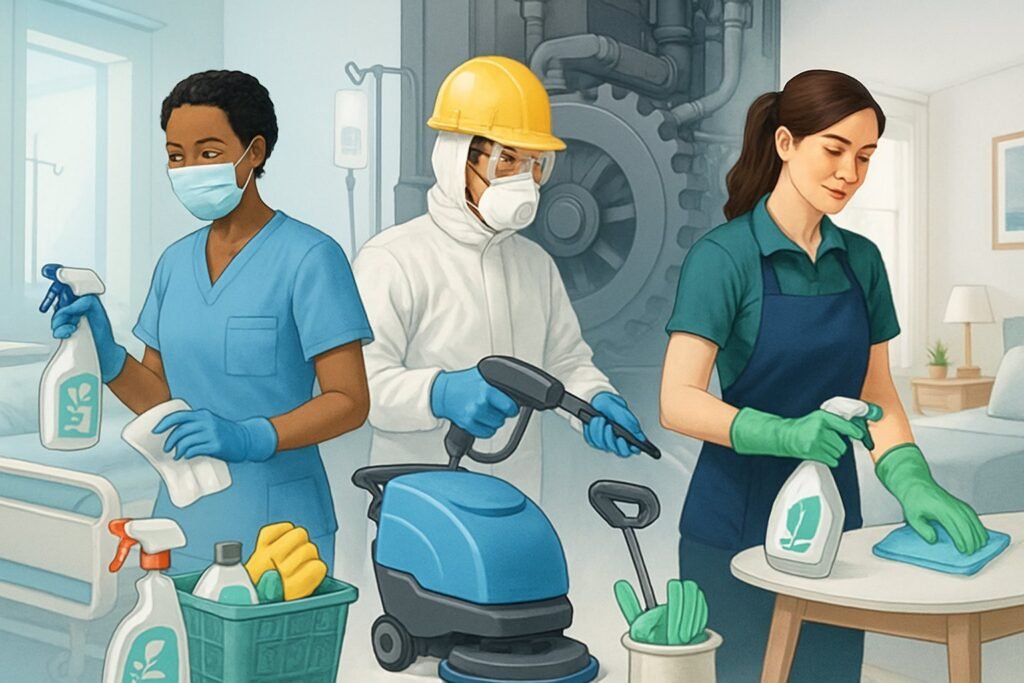
Starting a specialized cleaning service can open the door to higher profits and less competition than what you’ll find in the general cleaning world.
The cleaning industry is worth $93.1 billion, but specialized niches, think medical facilities, Airbnb properties, and industrial sites, demand premium rates because of their unique requirements and strict standards.
If you want to succeed in specialized cleaning, you’ve got to pick a niche, learn the regulations, and invest in the kind of training and equipment that most general cleaners just don’t have.
Medical facilities require infection control protocols. Airbnb cleaning means you’ve got to turn properties quickly between guests. Industrial sites? Those need serious safety know-how. Each niche brings its own certification requirements and compliance rules, which keeps out a lot of would-be competitors.
If you master these specialized skills, you can charge 20-50% more than basic cleaning services. The trick is matching what you’re interested in, and what your local market wants, with the right kind of training. Some niches require expensive gear or certifications, while others are all about speed and customer service.
Key Takeaways
- Specialized cleaning services pull in higher profits than general cleaning, thanks to unique skills and less competition.
- You’ll need to research local demand, get niche-specific training, and meet strict compliance standards to stand out.
- Premium pricing comes from your specialized equipment, certifications, and expertise, things general cleaners just don’t bring to the table.
Choosing Your Specialized Cleaning Niche
Specialized cleaning services each come with their own profit potential and growth opportunities. Client needs and regulations vary a lot from one niche to another. Not sure specializing is right at all? Start with when to specialize vs generalize.
Every niche asks for different skills, equipment, and certifications.
Medical Cleaning Services
Medical cleaning services target healthcare facilities, hospitals, clinics, dental offices, and labs. These places need strict sanitation to keep infections at bay.
Key Requirements:
- OSHA bloodborne pathogen training
- Medical waste disposal know-how
- Disinfection protocols
- Specialized cleaning products and equipment
Medical facilities pay premium rates because they have to meet health department standards.
Slip up, and you risk serious health consequences and legal headaches.
Demand never really drops off either, since healthcare facilities run every single day of the year.
Typical clients include:
- Hospitals and clinics
- Dental and veterinary offices
- Urgent care centers
- Physical therapy offices
- Medical laboratories
The training requirements make it hard to enter, which is precisely what keeps competition thin and margins fat.
Industrial Cleaning Solutions
Industrial cleaning covers factories, warehouses, manufacturing plants, and construction sites.
These jobs call for heavy-duty equipment and know-how you won’t find in residential cleaning.
Common services include:
- Floor deep cleaning and coating
- Equipment degreasing
- Pressure washing
- Hazardous material cleanup
- Post-construction cleanup
Industrial clients usually want work done off-hours or weekends, which means you can often charge more for the inconvenience.
Safety training is a must. Crews handle chemicals, machinery, and sometimes hazardous materials, so OSHA certification and strict safety protocols are non-negotiable.
Equipment needs:
- Industrial vacuum systems
- Pressure washers
- Floor scrubbers
- Safety gear and protective equipment
- Specialized cleaning chemicals
Industrial contracts run bigger and longer than residential work. One good client can carry you for years.
It’s tough work, but the pay reflects that. Industrial cleaning services often charge $0.10 to $0.20 per square foot or more.
Airbnb and Short-Term Rental Cleaning
Short-term rentals are a booming market for cleaning businesses. Airbnb cleaning pros serve property managers and hosts who need lightning-fast turnovers.
Service requirements:
- Turnaround times of 2-4 hours
- Consistent quality
- Flexible scheduling
- Inventory restocking
- Basic maintenance tasks
Vacation rental cleaning isn’t like regular home cleaning. After every guest, you’ll deep-clean, do laundry, restock supplies, and check for damage.
Typical tasks include:
- Deep cleaning all rooms
- Changing and washing linens
- Restocking toiletries and supplies
- Checking appliances and amenities
- Taking photos for property managers
Peak seasons change by location. Beach towns are packed in summer, ski areas in winter, and city rentals can stay busy all year.
Airbnb cleaning rates beat regular house cleaning. Most cleaners charge $75 to $150 per turnover, depending on the property.
You’ve got to be reliable and fast. If you’re late or miss details, guest reviews and host income take a hit.
Other Niche Opportunities
There are plenty of other specialized cleaning niches worth considering, most with less competition than standard commercial cleaning.
Crime scene and biohazard cleaning needs special training and gear. These cleaners step in after traumatic events.
Move-in/move-out cleaning sells to tenants, landlords, and agents alike, seasonal but lucrative when moving season hits.
Green cleaning trades on eco-friendly products and methods, and the clients who want it will pay extra to get it.
Window cleaning (especially high-rise) requires special equipment and safety training.
Carpet and upholstery cleaning can bring in recurring revenue from both homes and businesses. You’ll need to invest in quality equipment.
Event cleanup serves wedding venues, conference centers, and outdoor events. The work is often seasonal but can pay well for big events.
Startup costs, training, and profit margins vary widely. It’s smart to research local demand before picking your specialty.
Conducting Effective Market Research
Market research is honestly the backbone of any specialized cleaning business. If you don’t understand demand, competitors, and what’s missing in your area, you’re just guessing at prices and services.
Identifying Niche Demand
Dig into specific market segments to spot opportunities.
Medical facilities need deep cleaning protocols that regular commercial cleaners can’t deliver. Industrial sites require specialized equipment for hazardous materials.
Airbnb hosts are a growing market with their own quirks. They want quick turnovers and consistent quality. Property managers often look for dependable partners to handle multiple locations.
You can survey potential clients directly. Call up local hospitals, factories, or rental owners. Ask about their cleaning headaches and what they wish someone would solve.
Online platforms help too. Check out vacation rental forums where Airbnb hosts vent about cleaning woes. Industry magazines sometimes publish market size reports and growth forecasts.
Pay attention to seasonal swings. Medical facilities need cleaning year-round. Vacation rentals spike during tourist seasons. Industrial demand might ebb and flow with production cycles.
Analyzing the Competition
Studying competitors is a must if you want to spot market gaps and set realistic prices.
Look up existing specialized cleaning services in your area. Check out what they offer, how they price things, and what their clients are saying.
Most general cleaning companies shy away from specialized work because of the training. That leaves a door open for focused businesses.
Medical work demands infection-control expertise; industrial work demands safety certifications.
Browse competitor websites and ads, noting what they highlight and, more usefully, what their reviewers complain about.
Sometimes, it helps to mystery shop, call as a potential customer and ask for quotes, response times, and guarantees.
Local business directories can show you how crowded a niche is. Few competitors might mean low demand or high barriers. Tons of them? That’s a sign of strong demand, but you’ll need to stand out.
Defining Your Unique Value Proposition
Differentiation is where the specialized shop wins.
Training is the moat. In medical work, that means owning infection control; industrial clients want a safety-protocol expert on the other end of the phone.
Quick response times are a big deal in some niches. Airbnb hosts need same-day cleaning. Emergency spill cleanup is a lifesaver for industrial clients.
Advanced equipment can justify higher rates. HEPA filters for medical spaces aren’t cheap, but they work wonders. Industrial cleaning tools solve problems that regular gear can’t touch.
Certifications build trust in different directions: OSHA training reassures industrial clients, bloodborne pathogen training fits medical work, and green certifications pull eco-minded customers.
And keep gathering client feedback, because the surveys tell you where to improve before the contract renewal does. Responding quickly to concerns keeps clients loyal. Track your results, proof of effectiveness helps win new business.
Legal Setup and Compliance for Niche Cleaning Businesses
Specialized cleaning businesses face legal requirements that go way beyond what’s needed for standard residential cleaning.
The right business structure, solid insurance, and industry certifications are crucial, especially in high-risk environments.
Selecting the Right Business Structure
For most specialized cleaning companies, an LLC offers the best protection. It shields your personal assets and gives you tax flexibility.
Medical and industrial cleaning bring higher liability risks than regular cleaning. One mistake in a hospital or factory could trigger lawsuits that run into the millions.
Sole proprietorships leave you personally on the hook for debts and claims.
S-Corps can work for bigger operations with several employees. They offer tax perks if profits top $60,000 a year, but they come with more paperwork and formalities.
Partnerships are an option if you’re co-owning, but you’ll share liability, which can get tricky.
Your business structure also affects licensing. LLCs often have a smoother ride through the application process than sole proprietors.
Licensing, Insurance, and Bonding Requirements
Specialized cleaning stacks extra licenses on top: biohazard certifications for medical work, EPA-approved chemical training for industrial.
Insurance needs by specialty:
- Medical cleaning: $2-5 million in general liability, plus professional liability
- Industrial cleaning: Environmental liability and pollution coverage
- Airbnb cleaning: Commercial auto insurance for property visits
Bonding protects clients from theft and property damage; commercial clients often expect $100,000-$500,000 minimums, and government contracts demand more still.
Once you hire someone, workers’ comp becomes mandatory in most states. Specialized cleaning workers face higher injury risks, so insurance premiums run 20-40% higher than standard cleaning.
Some niches need extra permits. Hazardous waste cleanup requires federal EPA registration. High-rise window cleaning often needs special contractor licenses.
Industry Regulations and Compliance Considerations
OSHA rules set the tone for safety in specialized cleaning. Medical cleaning requires bloodborne pathogen training, while industrial sites insist on chemical safety and respiratory protection.
Key compliance areas:
- Chemical storage/disposal
- Employee training records
- Safety equipment maintenance
- Incident reporting
HIPAA reaches all the way down to the cleaning crew: privacy training, signed confidentiality agreements, secure handling of anything with a patient name on it. You’ll need to handle client records and schedules securely.
Industrial cleaning answers to EPA disposal rules too, where one mistake can cost $25,000 per violation. Many clients want proof you disposed of waste through certified companies.
Background checks are table stakes for specialized staff; medical facilities go further with fingerprinting and drug tests. Government contracts require security clearance.
Documentation ramps up in specialized markets. Keep training certificates, safety inspections, and compliance audits ready for reviews and client requests.
Essential Training and Certifications
A specialized shop never coasts on generalist knowledge.
Each niche demands its own mix of safety knowledge, regulatory fluency, and gear.
Specialized Training for Medical and Industrial Niches
Medical sets the strictest bar going. Infection control, bloodborne pathogen safety, CDC guidelines: all of it, cold.
Universal precautions and OSHA contamination rules round out the syllabus. Workers learn to deal with potentially infectious materials and proper procedures for everything from patient rooms to surgical centers.
Industrial cleaning training dives into chemical hazards and using specialized equipment. Teams learn to handle powerful cleaning products and master techniques for factories and warehouses.
Both niches require hands-on practice. Medical cleaners get comfortable with electrostatic sprayers and UV-C disinfection units. Industrial workers learn to run pressure washers and chemical applicators.
Obtaining Relevant Certifications
The International Janitorial Cleaning Services Association offers certification programs for medical facilities. Their Medical Cleaning Certification takes 40 hours and covers 15 key areas like bloodborne pathogens and CDC principles.
Required prerequisite certifications include:
- Customer Service Certification (1 hour)
- Chemical Hazards Certification (2-4 hours)
- Bloodborne Pathogens Certification (1 hour)
ISSA runs Custodial Technician Training with Basic and Advanced levels. This certification focuses on healthcare system operations and building service contractors.
Third-party verification boosts credibility for certification programs. Independent assessors confirm the training holds up against industry standards.
Continuing Education in Cleaning Standards
Those standards never sit still. Certification programs refresh constantly.
The crew keeps pace with CDC and OSHA changes as they land, or falls behind clients who noticed. New cleaning products and disinfection methods pop up all the time, so ongoing training is a must.
Professional associations roll out advanced courses for experienced cleaners. These programs dive into things like antimicrobial coatings and automated cleaning systems.
Most programs require recertification every 1-2 years with extra coursework or testing. That keeps everyone sharp.
Investing in Equipment and Cleaning Products
Specialized cleaning services need specific equipment and products designed for unique environments and safety standards. Investing in professional-grade tools and eco-friendly supplies can make or break your success in niche markets.
Choosing Specialized Cleaning Equipment
Medical facilities have strict infection control standards. HEPA-filter vacuums remove 99.97% of particles and help prevent cross-contamination.
Steam cleaners handle chemical-free sanitization for sensitive spaces. Industrial jobs run heavier.
High-pressure washers blast grease and debris, and industrial wet vacuums swallow spills that would kill a shop vac.
Airbnb cleaning is a speed game, which is why backpack vacuums earn their price moving room to room.
Microfiber mop systems tackle multiple surfaces without cross-contamination.
Essential Equipment by Niche:
| Niche | Key Equipment | Purpose |
|---|---|---|
| Medical | HEPA vacuums, UV sanitizers | Infection control |
| Industrial | Pressure washers, industrial vacuums | Heavy-duty cleaning |
| Airbnb | Backpack vacuums, microfiber systems | Speed and efficiency |
Professional-grade equipment costs more up front but lasts way longer. Commercial vacuums usually last for 2,000+ hours, while consumer models burn out after 300 hours.
Selecting Cleaning Supplies for Niche Markets
Medical cleaning supplies must pass EPA registration. Hospital-grade disinfectants kill tough pathogens like MRSA and C. diff.
Blood spill kits ensure biohazard cleanup goes safely. Industrial sites need specialized degreasers and solvents to break down oil, grease, and chemical residues.
Safety data sheets guide how you use and store these products. Airbnb properties benefit from fast, multi-surface cleaners.
Glass cleaners keep surfaces streak-free for guest photos. Fabric refreshers knock out odors between deep cleans.
Supply Requirements by Market:
- Medical: EPA-registered disinfectants, biohazard cleanup kits, antimicrobial cleaners
- Industrial: Heavy-duty degreasers, oil absorbents, chemical neutralizers
- Airbnb: Quick-action cleaners, odor eliminators, glass cleaners
Buying in bulk brings costs down for supplies you use a lot. Many suppliers offer 20-30% discounts on case quantities.
Eco-Friendly and Sustainable Product Options
Eco-friendly products pull health-conscious clients and check green-building boxes, and today’s plant-based cleaners match traditional chemistry minus the fumes.
Green Seal and EcoLogo certifications turn the environmental claim into something verifiable.
Some clients pay extra for eco-friendly cleaning, and concentrated formulas quietly cut your packaging and shipping costs while you charge it.
Microfiber cloths replace paper towels and last for 300-500 washes. Refillable bottles kill the single-use habit.
Sustainable Options Include:
- Biodegradable all-purpose cleaners
- Plant-based disinfectants
- Concentrated cleaning formulas
- Reusable microfiber systems
- Refillable dispensing systems
Budget 10-20% over regular products for the green line. Still, they support premium pricing and draw in environmentally conscious customers.
LEED-certified buildings often require eco-friendly cleaning products, so that’s a steady market.
Developing a Profitable Pricing Strategy
Specialized cleaning services can charge premium rates when pricing reflects their unique value and expertise. Justifying higher costs comes down to demonstrating specialization and communicating value clearly.
Premium Pricing Justification in Niche Markets
Specialized cleaning earns 20-50% higher rates than general cleaning, matching the skills premium, because it solves problems generalists can’t touch.
Medical facilities need infection control expertise. Industrial sites need hazmat know-how.
Airbnb properties want lightning-fast turnarounds.
Key justification factors include:
- Specialized training and certifications – OSHA compliance, bloodborne pathogen training, hospitality standards
- Unique equipment requirements – UV sanitizers, industrial vacuums, special chemicals
- Higher liability and insurance costs – Medical waste handling, contamination risks
- Regulatory compliance demands – HIPAA, safety protocols
Industrial cleaning services might charge $0.15-$0.30 per square foot, while commercial cleaning sits at $0.05-$0.10. Medical facilities pay $150-$300 per room, compared to $50-$100 for standard offices.
Price the outcome, not the hours: clients are buying contamination prevention, compliance, and guest satisfaction.
Cost Analysis and Value Communication
Accurate cost analysis keeps the pricing both profitable and defensible, because specialized work carries real costs worth itemizing.
Essential cost components:
| Cost Category | Standard Cleaning | Specialized Service |
|---|---|---|
| Labor Rate | $15-20/hour | $25-35/hour |
| Equipment Cost | $2,000-5,000 | $10,000-25,000 |
| Insurance | $1,000/year | $3,000-8,000/year |
| Certifications | None | $500-2,000/year |
Training runs $1,000-$5,000 per employee per year, and the specialized gear carries its own maintenance and replacement bill.
Value communication focuses on risk reduction:
- “Our certified technicians prevent costly regulatory violations.”
- “Hospital-grade disinfection means cleanliness complaints stop being your review problem.”
- “OSHA-compliant procedures protect your workers and assets.”
Prove the value with before-and-afters, compliance certificates, and satisfaction numbers.
Structuring Service Packages
Then let the package structure do the selling. Tiered options let clients pick what fits, but also nudge them to upgrade.
Three-tier approach:
Basic Package – Covers essential compliance
- Standard protocols and equipment
- Required certifications
- Monthly reporting
Premium Package – Enhanced service and frequency
- Advanced equipment and techniques
- More certifications
- Weekly reporting and consultation
Elite Package – All-inclusive solutions
- 24/7 availability
- Custom protocols
- Real-time monitoring and alerts
Add-ons fatten every one of these margins. Sharps disposal for medical.
Emergency spill response for industrial sites. Supply restocking for the Airbnb crowd.
Monthly contracts turn all of it into predictable revenue, and annual agreements are what justify the equipment and training spend.
Package pricing also kills the hourly-rate conversation. Clients buy the result.
Marketing, Client Acquisition, and Retention
Building a specialized cleaning business means using targeted marketing that speaks to your niche. To win, you’ve got to reach decision-makers in industry-specific channels and keep up quality relationships that support premium pricing.
Targeted Niche Marketing Approaches
Medical facilities want a different message than industrial plants. Healthcare cleaning companies should highlight infection control, HIPAA compliance, and patient safety.
They can team up with medical equipment suppliers and show up at healthcare management conferences.
Industrial outfits win by leading with safety certifications and hazmat expertise, then working manufacturing trade shows until the plant managers know their name.
Airbnb cleaners grow through property-management partnerships, with realtor and interior-designer package deals as the side channel.
Key targeting strategies:
- Industry-specific trade publications and websites
- Professional association memberships and events
- Direct outreach to facility managers and decision-makers
- Specialized certifications front and center in marketing
Content marketing works well for niche cleaning. Guides like “Hospital Cleaning Compliance Checklist” or “Post-Construction Cleanup Best Practices” build authority.
Utilizing Social Media and Online Presence
LinkedIn brings the best specialized leads, fed with case studies, before-and-afters, and the occasional genuinely useful tip.
Join facility-management groups and answer questions before pitching anything. Facebook earns its keep on residential niches like Airbnb cleaning.
Aim it at property owners in specific neighborhoods. Instagram just wants your best after-shots.
Must-have online presence elements:
- Google My Business optimized with industry keywords
- Website pages for each specialty service
- Customer testimonials from similar facilities
- Videos showing specialized techniques and equipment
Local SEO matters more than any of it for a service business, built on location- and industry-specific keywords.
Reviews from healthcare administrators or industrial managers mean more than generic testimonials.
Email keeps leads warm through the long sales cycle, because facility managers routinely take months to switch vendors.
Client Retention Through Quality and Feedback
Premium prices survive only as long as quality does. Build a checklist per service type.
A medical facility and a manufacturing plant share almost no protocols. Inspect regularly, before the client does.
For healthcare clients, ATP testing turns cleanliness into an objective score they can file. Photo documentation carries the industrial side.
Effective feedback systems:
- Monthly client satisfaction surveys
- Dedicated account managers for large contracts
- Real-time issue reporting via mobile apps
- Quarterly business reviews with facility managers
Ongoing training keeps the crew current as regulations shift underneath them. OSHA updates affect industrial cleaning.
Healthcare cleaning needs ongoing infection control education.
Specialized clients rarely churn once you’ve proven you can handle their compliance requirements, because switching vendors means re-vetting from scratch. Long-term contracts become easier after you prove your expertise.
Emergency response builds trust. Medical facilities may need 24/7 spill cleanup.
Industrial plants want fast response for accidents.
Regular communication stops small issues from turning into lost contracts. Account managers should check in monthly with key decision-makers.
Frequently Asked Questions
Starting a specialized cleaning service means understanding demand, getting the right certifications, investing in specialized equipment, and navigating regulations. These factors directly impact your pricing and niche choices.
How do I check demand for a niche like medical or industrial?
Entrepreneurs should survey potential clients in their target market. Contact medical facilities, industrial plants, or property managers to ask about their cleaning challenges and what’s missing from current services.
Local directories show how many potential clients sit within driving distance; a cluster of medical or industrial sites usually means real demand.
Then study the competitors already in the niche. Their pricing, service menus, and testimonials map the market size and the gaps nobody serves.
Industry reports from trade associations show growth trends and opportunities. The Healthcare Financial Management Association and Industrial Hygiene Association have some good data.
Which certifications do regulated environments require?
Healthcare cleaning requires bloodborne pathogen training through OSHA. Workers need certification for infectious waste handling and must know CDC disinfection guidelines.
Industrial environments demand hazardous material handling certification. OSHA’s 40-hour HAZWOPER handles chemical safety and emergency response.
The Certification Board for Infection Control credentials the medical side. Credentials earn client trust and satisfy contracts in the same stroke.
Some states pile special biohazard licenses on top of that. Ask your state health department; never assume.
What equipment does an Airbnb cleaning service need?
Commercial-grade washers and dryers keep linen turnover moving between guest stays.
Hospital-grade disinfectants reach what consumer products miss, and the EPA registration number on the label is what gives an Airbnb host real peace of mind.
Mattress cleaning equipment tackles stains and odors. Steam cleaners and UV sanitizers address common guest concerns about cleanliness.
Inventory management systems track supplies across properties. Digital checklists help maintain consistent cleaning standards.
How do I stay compliant with regulations?
Business owners should talk to environmental lawyers who know cleaning industry regulations. These professionals pinpoint requirements for each niche.
State environmental agencies offer guidance on waste disposal. Medical and industrial cleaning creates regulated waste that needs careful handling.
Professional liability insurance needs to cover the risks this work actually carries: contamination, property damage, regulatory violations.
Regular compliance audits keep standards honest, and a third-party inspector’s sign-off carries weight yours never will.
How do I justify premium niche pricing?
Specialized equipment costs multiples of standard supplies, and that medical-grade disinfectant and industrial safety gear is exactly what supports the higher rates.
Certifications and ongoing training are real investments. Clients pay for the credentialed knowledge they produce.
Liability runs higher in specialized environments, which inflates insurance and potential damages, one more line in the premium-pricing math.
Measurable outcomes close the argument: fewer infections, cleaner audits, lower liability, smoother operations.
How do I pick the right cleaning niche?
Market size really shapes your growth potential and how much you can actually earn. If you’re looking at areas with lots of medical facilities or industrial sites, you’ll probably find more clients and steadier demand.
Barrier to entry matters, too. Some niches, especially those that need lots of certifications, have fewer competitors. But, you’ll likely face higher startup costs.
Regulatory complexity can trip people up. Medical cleaning, for example, comes with a pile of rules, definitely more than something like Airbnb cleaning. That bumps up your costs and changes how you price things.
Don’t overlook your own expertise and interests. If you pick a niche that lines up with what you know and care about, you’ll probably do better. That’s just how it goes for most business owners.

Written by
Rashdi has spent 15+ years building and managing enterprise software, and has worked with US cleaning businesses since 2006. He founded CleanerHQ.