The cleaning industry’s in the middle of a big shift. More customers want services that protect their families—and the planet.
Business owners who jump on green cleaning practices are finding new ways to grow while making a positive impact in their communities. This trend isn’t just about doing the right thing—it’s a shrewd business move.
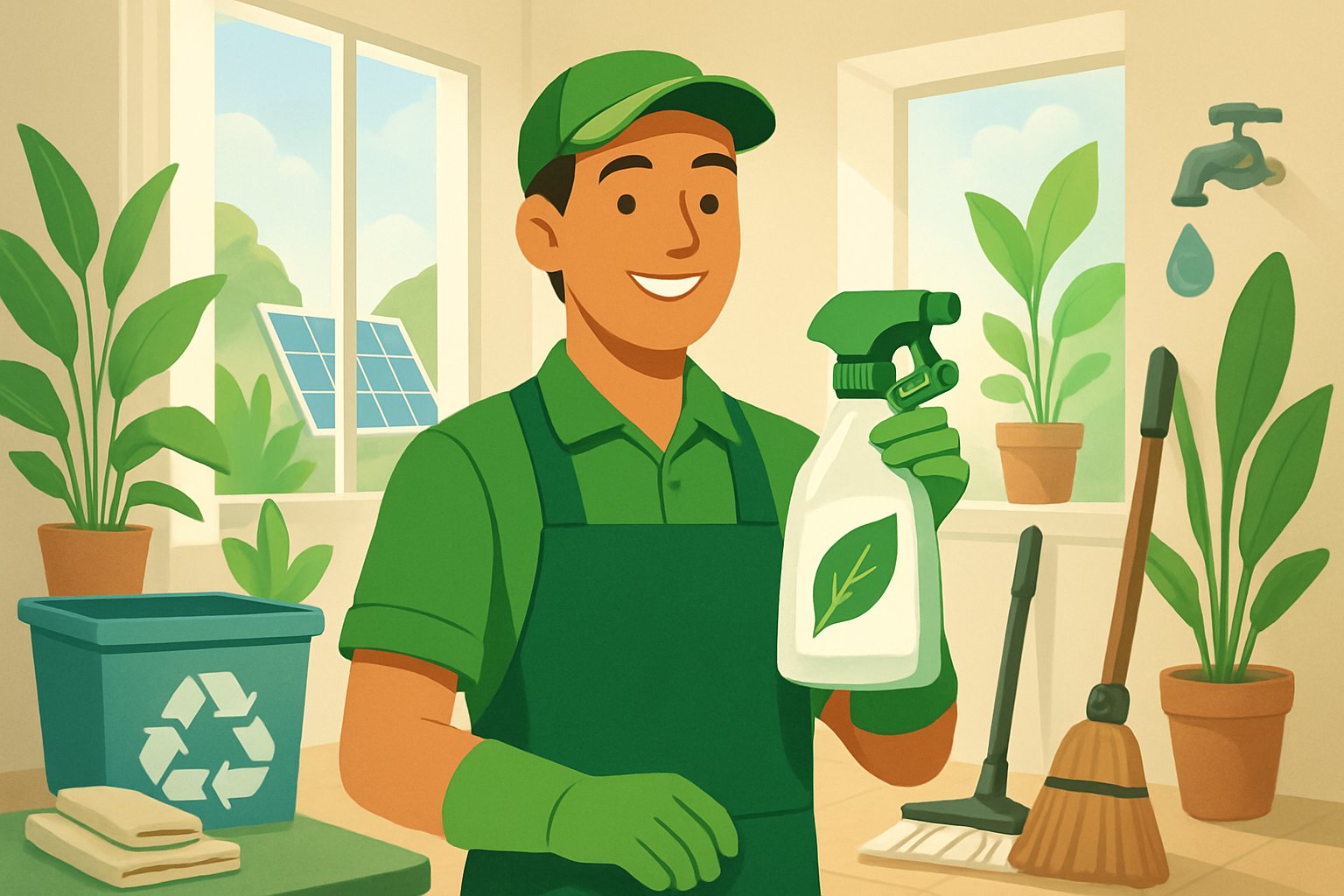
Cleaning businesses that adopt eco-friendly practices can charge premium rates, attract loyal customers, and stand out in a crowded market while reducing their environmental footprint. The demand for green cleaning has grown as Americans become more aware of how old-school cleaning chemicals affect indoor air and the environment.
Customers are willing to pay more for services that use non-toxic products and sustainable methods. There’s a business case here, not just an environmental one.
Switching to green cleaning doesn’t have to be complicated or pricey. Even simple changes like swapping out paper towels for microfiber cloths, picking certified eco-friendly products, or cutting down on waste can make a difference.
These changes often boost profit margins since people expect to pay a bit extra for eco-friendly services. Plus, you’ll build a reputation that attracts clients who genuinely care about sustainability.
Key Takeaways
- Green cleaning services can charge higher rates than traditional cleaning, increasing profit margins.
- Eco-friendly practices help businesses attract loyal customers who prioritize sustainability.
- Simple changes like certified products and waste reduction can quickly transform any cleaning business.
Why Eco-Friendly Cleaning Matters for Your Business
The cleaning industry is shifting toward sustainable practices. More clients now want environmentally conscious services.
This creates new opportunities for businesses to pull in eco-minded customers. It also helps meet stricter sustainability goals and regulations.
The Shift Toward Sustainability in the Cleaning Industry
The cleaning industry has changed dramatically over the past decade. More businesses and homeowners now prioritize green cleaning services over traditional options.
Market research shows that 73% of consumers are willing to pay more for sustainable services. That’s not a small number.
Traditional cleaning products contain harsh chemicals like ammonia and bleach. These substances can harm people and the environment.
Green cleaning products use natural ingredients instead. Many large corporations now require their cleaning contractors to use eco-friendly products.
This requirement has become standard in many service contracts. Professional cleaning companies that go green unlock new market segments.
They can serve clients who once avoided cleaning services because of environmental worries.
Benefits for Eco-Conscious Clients
Eco-conscious customers offer several advantages for cleaning businesses. These clients typically stay loyal longer and refer more new customers.
Health benefits drive many client decisions. Green cleaning products reduce exposure to toxic chemicals.
This matters for families with kids or people with allergies. Indoor air quality improves with eco-friendly products.
Traditional cleaners release volatile organic compounds (VOCs) that can cause headaches and breathing issues. Many clients appreciate the reduced environmental impact.
Green products break down naturally and don’t pollute waterways. Eco-conscious clients often pay premium prices for sustainable services.
They understand that quality green products cost more than conventional cleaners. These customers also give valuable testimonials and reviews.
Their word-of-mouth marketing helps attract more environmentally conscious clients.
Meeting Sustainability Goals and Regulations
Government regulations are pushing for environmentally friendly business practices. Many states now restrict certain chemicals in commercial cleaning products.
LEED certification requirements often specify green cleaning protocols. Buildings seeking this certification need cleaning services that use approved eco-friendly products.
Corporate sustainability goals shape cleaning contracts. Companies have to report their environmental impact to stakeholders.
Green cleaning helps businesses cut their carbon footprint. This supports bigger sustainability initiatives and corporate responsibility programs.
Tax incentives are out there for businesses that go green. Some areas even offer rebates for using eco-friendly products and methods.
When you use eco-friendly practices, staying compliant with environmental regulations gets easier. That means fewer legal headaches and less risk of fines.
Key Advantages of Green Cleaning Services
Green cleaning services offer business benefits that go beyond just environmental responsibility. These perks include stronger brand positioning, better profit potential, and healthier work environments for both clients and employees.
Enhanced Brand Image and Market Differentiation
Eco-friendly cleaning practices make businesses look forward-thinking and responsible. Today’s consumers actively seek companies that share their environmental values.
Green cleaning creates powerful marketing opportunities:
- Attracts eco-conscious customers willing to pay premium rates
- Builds customer loyalty through shared sustainability values
- Differentiates from competitors using traditional methods
Businesses can show off their commitment with certifications and transparent product choices. EPA Safer Choice and Green Seal certifications back up environmental claims.
This authenticity builds trust with clients. Social media and marketing materials get a boost from green credentials.
Before-and-after photos paired with eco-friendly product info show both effectiveness and responsibility. The sustainable approach appeals to commercial clients aiming for LEED certification or corporate sustainability goals.
That opens doors to bigger contracts and long-term partnerships.
Potential for Increased Margins and Cost Savings
Green cleaning services command higher prices. Clients see the value in safer, environmentally responsible cleaning.
Revenue benefits include:
- 10-20% price premiums for eco-friendly services
- Reduced client turnover and higher retention rates
- Access to premium commercial contracts
Long-term cost savings can offset the initial investment in eco-friendly products. Concentrated formulas cut packaging and shipping costs.
Reusable microfiber cloths eliminate paper towel expenses. Energy-efficient equipment lowers operational costs.
Modern eco-friendly vacuums use less electricity and still clean well. Reduced liability from toxic chemical exposure protects against potential health claims.
That’s a defensive benefit for long-term profitability.
Improved Indoor Air Quality and Employee Well-Being
Non-toxic cleaning products eliminate harmful chemical exposure for both cleaning staff and building occupants. This creates immediate health benefits and long-term wellness improvements.
Health advantages include:
- Reduced respiratory irritation and allergic reactions
- Elimination of volatile organic compounds (VOCs)
- Safer environment for children and sensitive individuals
Better indoor air quality means employees take fewer sick days. Productivity goes up when the space is healthier.
Cleaning staff benefit from less chemical exposure during their shifts. Job satisfaction improves, and turnover drops.
Plant-based formulas clean well without harsh fumes or skin irritants. Workers can clean during business hours without bothering occupants.
Improved air quality becomes a selling point for commercial clients. Office managers notice fewer complaints about cleaning odors and sensitivities.
Implementing Sustainable Cleaning Practices
Successful green cleaning takes careful product selection, equipment upgrades, waste reduction, and smart resource management. These changes help cleaning businesses cut environmental impact and build stronger client relationships.
Choosing Eco-Friendly Cleaning Products and Supplies
The backbone of any green cleaning business is picking the right products. Green-certified products use biodegradable ingredients that break down naturally.
Key certifications to look for:
- Green Seal
- EcoLogo
- EPA Safer Choice
- Cradle to Cradle
Plant-based cleaners get the job done for most cleaning tasks. They use ingredients like citrus oils, vinegar, and plant-derived surfactants.
Concentrated products cut down on packaging waste and shipping costs. One concentrated cleaner can replace several ready-to-use products.
This saves storage space and reduces supply orders.
Essential eco-friendly supplies include:
- Microfiber cloths (reusable and effective)
- HEPA vacuum filters
- Recycled paper products
- Refillable spray bottles
- Natural fiber mops and brushes
Many eco-friendly cleaning products cost a bit more than conventional options. But concentrated formulas often give better value per use.
Upgrading to Energy-Efficient Cleaning Equipment
Energy-efficient cleaning equipment cuts electricity costs and supports sustainability goals. Modern equipment usually outperforms older models and uses less power.
Priority equipment upgrades:
| Equipment Type | Energy-Efficient Features | Benefits |
|---|---|---|
| Vacuum cleaners | HEPA filters, variable speed motors | 30% less energy use, better air quality |
| Floor machines | Low-RPM motors, efficient batteries | Reduced power consumption, quieter operation |
| Carpet cleaners | Heat recovery systems | 25% less water heating costs |
Battery-powered equipment now has longer run times. Lithium-ion batteries last longer and charge faster.
LED work lights use 75% less energy than old bulbs. They last longer and give off less heat.
Some smart equipment even tracks energy use and maintenance needs. Machines can send alerts when filters need changing or maintenance is due.
Minimizing Waste with Smart Waste Management
Good waste management lowers disposal costs and shrinks your environmental footprint. Even small tweaks in cleaning routines can cut waste a lot.
Reusable containers replace single-use packaging. Buy products in bulk and transfer them to labeled spray bottles and containers.
Waste reduction strategies:
- Use dilution systems for chemicals
- Choose refillable product containers
- Implement proper recycling programs
- Donate unused supplies to local organizations
Microfiber cloths can be washed and reused hundreds of times. They clean better than disposable wipes and save money over time.
Swap paper towels for washable cotton rags or bamboo cleaning cloths. These options work for most cleaning jobs and reduce supply costs.
Digital record-keeping eliminates paper waste from invoices and work orders. Cloud-based systems let your team access info without printing anything.
Promoting Water and Energy Efficiency
Smart water and energy use lowers utility costs and supports sustainability. Small changes in cleaning habits can add up to big savings.
Cold water cleaning works for most surfaces with the right products. This can cut water heating bills by up to 40%.
Water conservation techniques:
- Use spray bottles instead of running water
- Install low-flow faucet aerators
- Fix leaks right away
- Train staff on efficient water use
Cleaning during off-peak hours can reduce electricity costs. Early morning or evening cleaning can take advantage of lower rates.
Equipment maintenance keeps energy use low and extends tool life. Change filters regularly and store machines properly.
Motion-sensor lighting in work areas prevents wasted electricity. Lights turn on when staff enter and off when they leave.
Getting Recognized: Environmental Certifications and Standards
Third-party certifications give cleaning businesses official proof of their green practices. These credentials help build customer trust and let companies charge premium rates for verified eco-friendly services.
Why Certifications Matter for Building Trust
Environmental certifications provide independent verification that a cleaning business truly follows green practices. Customers can’t always tell if a company uses eco-friendly products just by looking.
Third-party certifications solve this problem. They give businesses official recognition from trusted organizations that review products and practices carefully.
Certified businesses gain several advantages:
- Higher customer trust and credibility
- Ability to charge premium prices
- Protection against greenwashing accusations
- Competitive edge over non-certified competitors
Many eco-conscious clients specifically look for certified green cleaning services. They want proof that the company uses safe products that won’t harm their family or the environment.
Certifications also help with marketing. Businesses can display official logos and badges on their website and materials.
This makes their green claims more believable to potential customers.
Overview of Green Seal, ECOLOGO, and EPA Safer Choice
Green Seal certifies cleaning products and services that meet tough environmental and health standards. Their certified products need to work well but also reduce harmful chemicals and packaging waste.
ECOLOGO looks at products across their entire life cycle. That means they consider manufacturing, use, and disposal impacts.
Many commercial cleaning products carry this certification.
EPA Safer Choice highlights products with safer chemical ingredients. The program helps businesses pick effective products that pose fewer risks to people and the planet.
| Certification | Focus Area | Best For |
|---|---|---|
| Green Seal | Products & services | Full business certification |
| ECOLOGO | Life cycle impact | Product validation |
| EPA Safer Choice | Chemical safety | Safe ingredient verification |
These certifications require real testing and proof. Companies can’t just claim their products are green—they have to meet specific standards.
Training Your Team for Green Success
Successful green cleaning really depends on proper employee training and staff engagement. Teams need the right skills to use sustainable cleaning solutions and to know their part in environmental stewardship.
Effective Employee Training in Sustainable Practices
Training should cover the basics of sustainable cleaning and eco-friendly methods. Staff need to understand how green products might work differently than traditional cleaners.
Some eco-friendly products need longer contact times to work. Employees should know about these timing differences to get good results.
Key training areas:
- Proper dilution ratios for concentrated green products
- Surface-specific application methods
It’s important to go over safety procedures for natural cleaning ingredients. Don’t forget equipment maintenance for reusable tools.
Hands-on practice beats lectures every time. Set up training stations where staff can try out different sustainable cleaning techniques.
Simple reference cards listing product instructions and mixing ratios come in handy. These give workers quick reminders during actual cleaning.
Keep skills fresh with regular refresher training. Monthly sessions are a good chance to introduce new products or review techniques.
Engaging Staff in Environmental Stewardship
Getting employees on board makes all the difference. When workers know their choices have an environmental impact, they tend to make better decisions.
Share real examples of how the business cuts waste through green practices. Let staff know that switching to reusable microfiber cloths can save hundreds of paper towels each week.
Engagement strategies:
- Monthly sustainability challenges with small rewards
- Tracking and sharing waste reduction numbers
Ask for employee suggestions on new green practices. Front-line workers often notice opportunities that managers overlook.
Bring environmental goals into regular performance discussions. This shows that sustainable practices matter just as much as cleaning quality.
Train team leaders to model green behaviors every day. When supervisors use sustainable methods, others usually follow their lead.
Marketing and Packaging Your Green Cleaning Services
Creating successful green cleaning packages takes more than just swapping out a few products. Strategic pricing, clear presentation of eco-friendly benefits, and real promotion of your sustainable practices help cleaning businesses stand out and attract eco-conscious customers.
Crafting a Green Package With Tools Like Quote2Clean
Quote2Clean and similar quoting tools make it easy to create distinct eco-friendly service packages. These platforms let cleaning businesses build separate pricing tiers for green services.
Business owners can set up premium packages with specific eco-friendly products. They might list non-toxic cleaners, biodegradable supplies, or microfiber cloths as package features.
The tool helps calculate costs for pricier green products automatically.
Package components:
- Plant-based cleaning solutions
- Reusable microfiber cloths
Add in essential oil-based air fresheners, biodegradable trash bags, and concentrated products to cut down on waste.
The quoting software lets you adjust labor costs, too. Green cleaning sometimes takes longer since eco-friendly products may need more dwell time. Quote2Clean helps you factor in these timing differences.
You can also create seasonal green packages. Earth Day promotions or spring cleaning specials often draw interest. The software makes it simple to apply temporary discounts and attract new eco-conscious customers.
Showcasing Your Sustainability Efforts to Attract Clients
Eco-conscious customers want to see real proof that cleaning services care about the environment. Businesses need to show their green practices go beyond just product choices.
Certification displays build trust:
- Green Seal badges on websites
- EPA Safer Choice labels in marketing materials
Show before-and-after photos using only eco-friendly supplies. Team photos with green cleaning equipment can help, too.
Social media is great for sharing sustainability stories. Post videos showing concentrated products that reduce plastic waste, or highlight refillable containers that eliminate single-use bottles.
Client testimonials about better indoor air quality matter. Parents sometimes mention how green cleaning helps family members with allergies or asthma. These stories attract other health-conscious families.
Good marketing channels:
- Local environmental groups and community boards
- Health food stores and yoga studios
Connect with school parent networks or corporate wellness programs. Partnerships with other eco-friendly businesses can expand your reach. Organic grocery stores, solar companies, and sustainable home builders often share similar customers.
Pricing Strategies for Eco-Friendly Service Offerings
Eco-friendly cleaning services usually cost more because green products aren’t cheap. Most customers who care about sustainability understand and accept higher prices.
Pricing approaches:
| Strategy | Price Increase | Best For |
|---|---|---|
| Premium tier | 15-25% markup | Residential clients |
| Green package | 20-30% higher | One-time deep cleans |
| Product upgrade | 10-15% more | Existing customers |
Be transparent about pricing and explain the value. Break down costs so clients see where their money goes—better products, staff training, and environmental certifications all justify higher rates.
Tiered pricing works well for many cleaning businesses. Offer a basic service at standard rates, then present eco-friendly options as upgrades. This lets price-sensitive customers choose, while attracting premium clients who want green services.
Value-based pricing elements:
- Health benefits: Less chemical exposure for families and pets
- Environmental impact: Lower carbon footprint and safer water systems
- Product quality: Concentrated formulas that clean more effectively
- Staff training: Specialized knowledge about green cleaning
Some businesses add setup fees for new green clients. This covers the cost of switching to eco-friendly supplies and training staff on new procedures.
Frequently Asked Questions
Green cleaning services bring up questions about costs, products, marketing, and business benefits. Here are some common concerns for cleaning business owners considering eco-friendly practices.
What are the primary advantages of offering green cleaning services in a cleaning business?
Green cleaning services offer several business advantages. Companies can charge premium rates because eco-friendly products cost more, which often means better profit margins.
These services attract customers who value sustainability. Eco-conscious clients usually stick around longer and refer friends more often than traditional customers.
Green cleaning also improves employee health. Workers face fewer chemical exposures, which can mean fewer sick days.
The business gets a competitive edge in markets where environmental concerns matter. Many commercial clients now require green cleaning for their facilities.
How can implementing eco-friendly practices impact the customer base and loyalty of a cleaning business?
Eco-friendly practices help attract customers who actively look for sustainable services. This group is growing and often willing to pay more for green cleaning.
Green cleaning builds stronger relationships through shared values. Clients who care about the environment tend to stick with companies that match their beliefs.
These customers often become brand advocates, recommending your service to friends and colleagues. Their referrals usually bring in more eco-minded clients.
Businesses that go green early gain a head start in their local markets. They set themselves up as environmental leaders before others catch on.
What types of non-toxic, eco-friendly cleaning products are recommended for a green cleaning service?
Plant-based all-purpose cleaners work well on most surfaces without harsh chemicals. These often use citrus oils or plant enzymes to break down dirt.
Microfiber cloths reduce the need for chemical cleaners and provide strong cleaning power. They grab dirt and bacteria without harsh disinfectants.
Concentrated cleaning solutions help cut down on packaging waste and shipping costs. You can dilute these products on-site with reusable spray bottles.
Green-certified disinfectants meet EPA safety standards and still kill germs. Look for products certified by Green Seal or EcoLogo.
In what ways can a cleaning business market its eco-friendly services to gain a competitive edge?
Social media gives businesses a way to showcase green practices with photos and videos. Content about eco-friendly products and waste reduction draws in environmentally conscious followers.
Local partnerships with green groups and other eco-friendly businesses open up referral opportunities. These relationships help you build credibility in the sustainability community.
Green certifications from recognized organizations give your claims extra weight. Display these credentials on your website and marketing materials.
Case studies showing environmental benefits like less chemical exposure or waste reduction can help. Include specific numbers if you can.
How can utilizing reusable materials, like bottles, contribute to waste reduction and appeal to eco-conscious clients?
Reusable spray bottles cut out single-use packaging from your cleaning routine. Clients notice when you reduce plastic waste during service visits.
Pair concentrated cleaning products with reusable bottles to lower transportation emissions and packaging costs. You can highlight these benefits in your marketing.
Refillable container systems save money over time and show a real commitment to the environment. Clients appreciate ongoing efforts, not just one-time changes.
Branded reusable bottles can even serve as marketing tools, reminding clients about your green practices between visits.
Can a cleaning business increase its service charges by opting for green cleaning, and how does this affect profitability?
Green cleaning services usually charge 10-20% more than standard cleaning. Eco-friendly products cost extra, so it makes sense to bump up the price.
Clients who care about quality and the environment tend to accept these higher rates. They’re not just looking for the cheapest option—they want something that feels right, even if it costs a bit more.
Green cleaning can also help with employee retention. Safer products mean better working conditions, and that might lower insurance or training costs down the line.
Eco-conscious clients often stick around longer, signing those coveted long-term contracts. That kind of loyalty can smooth out your cash flow and cut down on the endless search for new customers.