
When cleaning equipment breaks or property damage happens during a service call, cleaning business owners feel immediate pressure. You’ve got to handle the situation right, keep clients happy, and protect your bottom line.
Property damage claims are pretty common in the cleaning industry. Teams work around expensive equipment, delicate surfaces, and valuable client property almost every day.
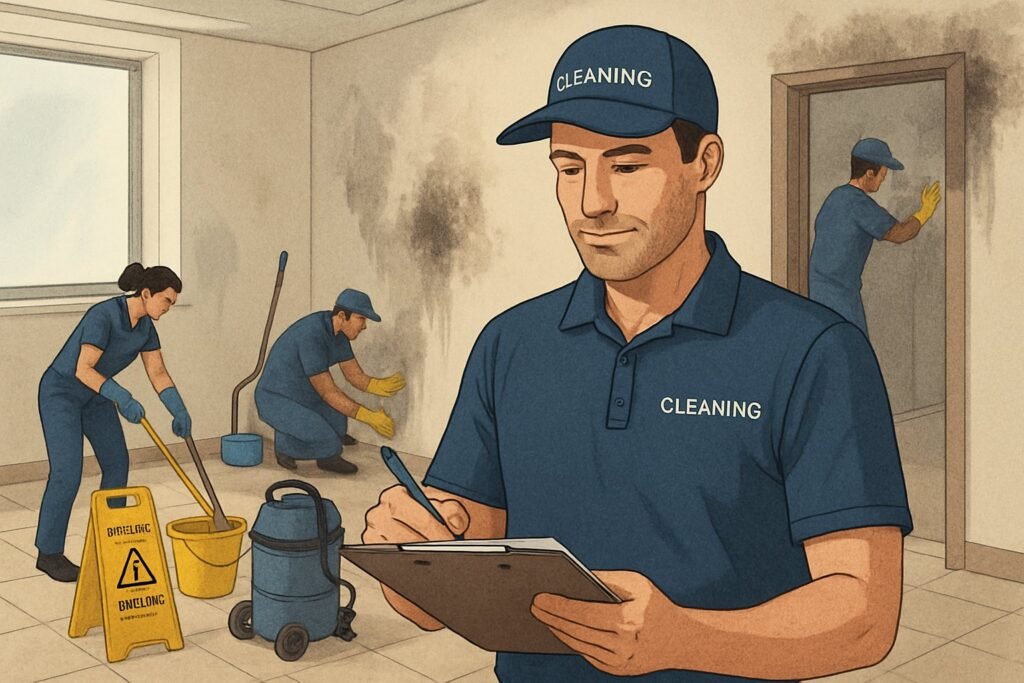
The steps you take in the first 24 hours after damage often decide whether your business bounces back or struggles for months. Most cleaning business owners run into a property damage claim within their first few years.
If you understand the insurance claims process, know how to document things, and can communicate with clients before anything happens, you’re way better off. It can mean the difference between a bad day and a total disaster.
Smart owners get ahead by learning the claims process, setting up protocols, and training their teams on prevention. It’s not just about protecting profits—it’s about keeping your reputation intact when accidents happen.
Key Takeaways
- Call your insurance company within 24 hours, and document everything with photos and detailed inventory lists.
- Stay open with clients about incidents, coordinate repairs, and keep things professional.
- Prevent future claims with good training, equipment maintenance, and safety protocols.
Understanding Property Damage and Relevant Insurance Policies
Cleaning business owners deal with all kinds of risks that can lead to property damage claims. Sometimes it’s just an accident during a routine job, other times it’s equipment failure.
Commercial property insurance is crucial, but the fine print—coverage limits, exclusions, and how they calculate payouts—really matters when you need to recover.
Types of Property Damage in Cleaning Businesses
Cleaning businesses see a variety of property damage types that can trigger claims. Accidental damage is the most frequent—think broken furniture, busted electronics, or scratched surfaces.
Water damage pops up when staff flood areas, break plumbing, or misuse cleaning equipment. This kind of mess can get expensive fast.
Chemical damage happens if cleaning solutions stain or ruin client property. Harsh chemicals can permanently mess up fabrics, wood, or metal.
Equipment-related damage is another headache. Vacuums can scratch floors, carts might dent walls, or heavy gear can ding up doorframes.
Theft by employees, or even just losing client items, can create liability issues. Even honest mistakes—like accidentally removing something—can lead to claims.
Natural disasters like floods or storms sometimes hit while your team’s on-site. That can get complicated when figuring out who’s responsible.
Commercial Property Insurance Coverage Explained
Commercial property insurance protects cleaning businesses from financial hits after property damage, but policies can be wildly different. General liability insurance covers third-party property damage—like accidents that happen while you’re working.
Professional liability insurance steps in if someone claims you used the wrong cleaning method or didn’t protect their property properly. It’s for those “you should’ve known better” situations.
Business interruption coverage helps replace lost income when damage stops business as usual. If broken equipment keeps you from working, this can help.
Most policies work on an occurrence basis. If something happens during the policy period, you’re covered—even if you file the claim later.
Your coverage limit is the most the insurer will pay for a single incident or over the policy period. Deductibles are what you pay before insurance kicks in. Higher deductibles mean lower premiums, but more out-of-pocket costs when something goes wrong. Here’s a guide to pricing and costs.
Key Terms: Coverage Limits, Exclusions, and Actual Cash Value
Coverage limits are the ceiling on what your policy pays. Cleaning businesses need to check if their limits match the value of the properties they work in.
You’ve got per-occurrence limits for single incidents, and aggregate limits for the total over a year. Picking the right numbers is a bit of a balancing act between protection and cost.
Exclusions are the things your policy won’t cover. Some common ones:
- Intentional damage by your staff
- Normal wear and tear from cleaning
- Damage from using banned cleaning methods
- Uninsured natural disasters
- Criminal acts by owners
Actual cash value means the insurer subtracts depreciation from the replacement cost. You’ll usually get less than what it would cost to buy new. Replacement cost coverage pays the full amount without deducting for age or wear.
Knowing these terms helps you choose the right coverage and set realistic expectations if you ever have to file a claim. Review your policy regularly, especially as your business grows or changes.
Immediate Steps to Take When Property Damage Occurs
If property damage happens during a cleaning job, you need to move fast. The first hour can make all the difference.
Securing the Site and Ensuring Safety
Safety comes first—always. Check if anyone’s hurt, whether it’s staff or building occupants.
If someone’s injured, call 911 right away. Evacuate the area if you see structural problems like sagging ceilings, cracked walls, or broken supports.
Water damage from burst pipes? That’s a slip and electrical hazard. Don’t take chances.
Turn off utilities in the affected area:
- Shut off power at the breaker if there’s water
- Close water valves if pipes are leaking
- Turn off gas if you smell it or see damaged gas appliances
Set up a perimeter around the damaged area. Caution tape or barriers keep people away from broken glass, exposed wires, or anything unstable.
Write down who was there during the incident. Collect contact info—it helps with insurance later.
Implementing Temporary Repairs
Start temporary repairs right away to stop things from getting worse. Insurance usually expects you to take reasonable steps to prevent more damage.
Common quick fixes:
- Tarp over damaged roofs or windows
- Set up fans and dehumidifiers for water issues
- Board up any openings to keep out weather or trespassers
- Move undamaged stuff to safer spots
Save all receipts for emergency supplies and repair work. Most insurers will reimburse you for those costs.
Don’t do any permanent repairs until the insurance adjuster checks things out. Snap photos before you start any cleanup.
If you need emergency repair services, focus on stopping further loss—not full restoration.
Preventing Further Loss
Act quickly to keep your business running and limit extra damage. Every hour counts.
For water damage, get rid of standing water ASAP. Water can spread through floors, walls, and furniture in no time.
Set up industrial fans and dehumidifiers within the first day to avoid mold. If you can, move equipment, supplies, and documents out of the damaged area. If not, cover them with plastic.
List every damaged item before tossing anything. Take photos that show the extent of the damage—insurance companies want proof.
Keep detailed records of everything you do:
- Time stamps for each step
- Photos before and after repairs
- Receipts for supplies and services
- Names of any contractors you call
Call your insurance company within 24 hours—even if you’re still working on temporary fixes.
Comprehensive Documentation and Record-Keeping
Good documentation is your best friend during a property damage claim. It shows what happened, when, and how much it’ll cost to fix.
Visual evidence, organized financial records, and detailed communication logs lay the groundwork for a smooth insurance process.
Capturing Visual Evidence: Photos and Videos
Photos and videos are your strongest proof for property damage claims. They show exactly what happened and help avoid arguments with insurance.
Start with wide shots to show the whole scene. Then get close-ups of each damaged item or area. Try to capture multiple angles.
Here’s what matters:
- Turn on timestamps in your camera settings
- Take before and after shots if you can
- Include serial numbers or model info for damaged equipment
- Get context shots of the surrounding area
Videos can show the scale of damage better than photos. Walk through the area and narrate what you see—point out water stains, broken fixtures, or ruined floors.
Upload all photos and videos to cloud storage right away. That way, you won’t lose them if your phone or camera gets damaged.
Take pictures before you start any cleanup. Insurance adjusters want to see the original state. If you clean up too soon, it could hurt your claim.
Organizing Receipts, Invoices, and Inventory Lists
Financial docs prove the value of what got damaged and track your expenses. Keeping things organized speeds up your claim and can help you get a better settlement.
Sort receipts into folders by date and damage type. Include purchase receipts, emergency repair costs, and any temporary replacements.
Make sure you have:
- Receipts for everything that got damaged
- Repair estimates from contractors
- Invoices for emergency services
- Rental costs for replacement equipment
- Proof of lost income if you couldn’t work
Build an inventory of all damaged property. Add descriptions, purchase dates, original costs, and current replacement values. Snap photos of receipts if you lost the originals.
Track every expense tied to the incident—supplies, extra labor, even client refunds. Some of these might be covered under business interruption insurance.
Spreadsheets or inventory apps make this easier. Add columns for item names, damage details, repair estimates, and claim status.
Keeping a Communication Log
Write down every conversation about the incident. A communication log shows what was discussed and when decisions happened.
Take notes during phone calls with insurance, clients, and contractors. Write down the date, time, who you spoke to, and what you talked about. Follow up important calls with an email summary.
Your log should include:
- When you called the insurance company and claim numbers
- Client notifications and their responses
- Notes from contractor visits and estimates
- Adjuster visit dates and findings
Save all written communication digitally and on paper. Print important emails and keep them with your other claim docs. Always back up digital files.
Track the progress of your claim with notes—when you submitted documents, when inspections happened, and what’s next. This helps spot any holdups.
Keep clients in the loop with regular updates. Email summaries of where things stand and what to expect. Save all these communications to show you handled things professionally.
Filing and Managing Property Damage Insurance Claims
You need to act quickly and have your documentation ready to get fair compensation. Owners should notify their insurer right away, submit detailed claim forms, and prep for adjuster visits.
Notifying Your Insurance Provider
Call your insurance company within 24 hours of finding damage. Most have hotlines open 24/7.
Share the basics: date, time, location, and a short description of what happened. Ask for a claim number and write it down.
Have this info handy:
- Your policy number
- Date and time of the incident
- What happened (in a nutshell)
- Your contact details
- Where the damage occurred
Ask if you should do anything special for emergency repairs. Some policies cover steps you take to prevent more damage.
Follow up your call with written notice if your policy requires it. Double-check your coverage for deadlines—missing them could mean your claim gets denied.
Write down the exact time and date you first contacted them. Keep records of every call, including who you spoke to and any reference numbers they gave you.
Filing a Detailed Insurance Claim
Fill out claim forms carefully. Missing info can stall your claim for weeks.
Gather all your documentation before you submit anything—photos, repair estimates, receipts, and relevant business records.
Here’s what you’ll usually need:
- Photos and videos of all damage, from different angles
- A detailed inventory of damaged or lost items
- Repair estimates from licensed contractors
- Receipts and invoices for damaged gear or supplies
- Police reports, if there was theft or vandalism
Get at least two repair estimates for major fixes—insurance adjusters like to compare.
Write a clear, detailed description of how the damage happened. Stick to the facts and don’t guess about things you can’t prove.
Keep copies of everything you send. Use delivery methods that give you confirmation, so you know your insurer got your docs.
Meeting with the Insurance Adjuster
Schedule the property inspection right after you file your claim. Waiting too long just makes things messier and slows down the whole process.
Gather all your documents and evidence before the adjuster arrives. Keep your policy papers, photos, estimates, and inventory lists handy.
During the adjuster meeting:
- Point out every bit of damage, even the stuff that’s tough to spot.
- Hand over copies of repair estimates and receipts.
- Answer questions honestly—don’t dance around it.
- Jot down the adjuster’s comments and anything else that stands out.
Ask direct questions about your coverage and how long the claims process might take. If something in your policy seems fuzzy, push for clarification on exclusions or limits.
The adjuster will walk through the damage and decide what your property damage insurance covers. Sometimes, they’ll ask for more paperwork or extra estimates after seeing things firsthand.
If you don’t get a written assessment report within a week, follow up. Property damage claims need quick action, or your business could end up in limbo.
Navigating the Claims Process and Settlement
The settlement phase can feel like a test—will you get fair compensation or get shortchanged? Knowing how to pick apart offers, push back on disputes, and lean on the right experts can mean the difference between getting stuck and getting what you deserve.
Evaluating Settlement Offers
Insurance companies usually send their first settlement offer two to four weeks after the adjuster’s visit. Don’t just take the first number they throw at you—give it a close look.
The settlement letter breaks down costs: structural repairs, equipment replacement, business property, and other expenses. Each item lists either Actual Cash Value or Replacement Cost Value.
Key evaluation steps:
- Compare their numbers to your contractor estimates.
- Make sure equipment values match what it actually costs to replace them.
- Double-check that every damaged item made it onto the list.
- Look over depreciation math—mistakes happen.
Most settlements pay you Actual Cash Value first. After you finish repairs and send in receipts, you get the rest of the depreciation.
If something looks undervalued, ask for a detailed explanation. Adjusters should be able to back up their calculations when you question a line item.
If your settlement doesn’t even cover repairs, show the insurer the gap with written estimates. Getting three independent contractor quotes gives you real leverage in negotiations.
Negotiating Disputes and Denials
Disputes pop up when settlements don’t match real repair costs or insurers deny parts of your claim. You’ve got options to fight back.
Start by filing a formal written appeal with all your supporting documents. Attach contractor estimates, photos, and the parts of the policy that back you up. Most insurers want you to go through their internal appeals process first.
Common dispute areas:
- Matching replacement materials for floors or equipment
- Upgrades needed to meet current building codes
- Calculating business interruption losses
- Depreciation schedules that seem off
If the adjuster missed something big, ask for a second inspection. Different adjusters sometimes see things differently.
If the insurer won’t budge, you can file a complaint with your state insurance department. These agencies can push insurers to take another look at unfair denials or lowball settlements.
Keep records of every conversation—phone calls, emails, meetings. If things get legal, you’ll want that paper trail.
For complicated disputes, it’s smart to get professional help before you settle for less than you should.
Utilizing a Public Insurance Adjuster
A public insurance adjuster works for you, not your insurance company. In tricky property damage cases, these pros can really tip the scales.
Public adjusters take over the whole claims process—from documenting damage to negotiating the final settlement. They know the lingo and can spot policy loopholes a mile away.
What they do:
- Assess and document all damage
- Analyze your policy and explain coverage
- Negotiate directly with the insurance company
- Handle paperwork and filing
Most charge 10-20% of your final settlement, but honestly, they often pay for themselves by getting you more—and faster.
If you can, bring in a public adjuster before you even file your claim. They make sure you document things right from the start.
Licensed public adjusters have to pass state exams, keep up with education, and carry liability insurance. Strict rules keep them honest.
For cleaning businesses with big equipment losses or complicated damage, public adjusters help you go toe-to-toe with the insurance company’s resources.
Communicating with Clients During Property Damage Incidents
When property damage happens during a cleaning job, how you talk to your client can make all the difference. Clear, honest communication keeps trust intact. Good documentation protects you from headaches later.
Proactively Addressing Client Concerns
Reach out to your client right away if you spot damage—no matter how small. If you wait for them to find it, you’ll just look sneaky.
Have that first conversation within hours, not days. Lay out what happened in plain language—no excuses, no finger-pointing.
What to tell them:
- Exactly what got damaged
- How it happened (as best you know)
- What you’re doing to make it right
- How long it should take to fix
If your team caused the damage, own up to it. Clients respect honesty and usually work with you if you take responsibility.
Ask about the value and sentimental importance of the item. Sometimes, what looks minor to you means a lot to them.
If the damage affects a commercial client, check if it’s disrupting their business. Business interruption can be a huge deal.
Providing Timely Updates and Transparency
Don’t leave clients in the dark—update them every day or two, even if nothing’s changed. Silence just breeds anxiety.
Share details about the insurance claim, repair timelines, and any hiccups you hit. Clients want to know you’re not letting things slide.
Updates should include:
- The adjuster’s contact info
- The claim number
- When you expect things to be resolved
- Any missing paperwork you still need
Be upfront about your insurance coverage and any deductibles. Clients deserve to know if your policy might not cover everything.
For commercial jobs, think about how your actions could affect their operations. Sometimes, a broken item means lost business for them.
For complicated issues, written updates work better than calls. Emails create a record and help avoid misunderstandings.
Strategies to Prevent Future Property Damage Claims
You can dodge a lot of property damage claims with regular maintenance, solid staff training, and smart insurance management. These steps keep your business and client relationships healthy while cutting down financial risks.
Implementing Preventive Maintenance Procedures
Check your equipment every week. Catching worn parts before they break saves you a world of trouble.
Daily routines: Check hoses for cracks, test machine settings, and make sure attachments are right. Log these inspections on a simple checklist.
Once a month, do a deep dive: replace worn brushes and pads, clean tanks and filters, test safety switches, and calibrate chemical dispensers.
Keep tabs on equipment age and performance. If something’s looking rough, fix or replace it before it causes a mess.
Chemical storage: Use proper containers, clear labels, and secure storage. Spills ruin floors and furniture fast.
Training Staff on Risk Management
Most property damage comes down to human error. Train new hires well on equipment, safety, and risk.
Equipment training: Show staff how to use each machine, what not to do, and warning signs to watch for. Cover ladder limits, which solutions go on what surfaces, and safe lifting.
Hold monthly refreshers. Let staff share close calls and lessons learned—real stories stick.
Set clear procedures for risky jobs, like cleaning near electronics or valuable art.
Documentation: Teach your team to snap before-and-after photos and report hazards right away. Accountability matters.
Reviewing and Updating Insurance Policies
Check your insurance every year, especially as your business grows. Sit down with your agent and review limits, deductibles, and exclusions.
Coverage gaps can sneak up as you add services or gear. Stuff like carpet cleaning or floor refinishing brings new risks.
Update your policy to match your current equipment and replacement costs. Old equipment depreciates, but you want coverage that actually protects you.
Know your policy’s reporting rules. Some insurers want incident reports ASAP; others give you a day or two.
Claims history: Look for repeat issues and tweak your prevention plans. Many insurers offer loss control tools—use them.
Frequently Asked Questions
Property damage throws a lot of questions your way—about documentation, insurance claims, talking to clients, and how to avoid it next time. Here are some real-world answers for cleaning business owners.
What are the initial steps a cleaning business owner should take when property damage occurs during service?
Stop cleaning right away if you cause damage. Safety comes first—make sure nobody’s at risk.
Take photos from every angle before you touch anything. Get shots of the damaged item, the area around it, and any equipment involved.
Tell your client what happened as soon as possible. Be honest and direct, but don’t admit fault right out of the gate.
Call your insurance company immediately. Most insurers want quick notice to process claims.
How should a cleaning business owner properly file an insurance claim for property damage?
Contact your insurance provider within 24 hours. Have your policy number and the basic facts ready.
Fill out claim forms carefully—details matter. Write down exact dates, times, and a clear description of what happened.
Send in all the required documents: photos, witness statements, maybe a police report if things got serious.
Keep copies of everything you send. Track all your communication with the insurer—it pays to stay organized.
What are the essential documentation requirements for property damage in a cleaning business?
Take detailed photos of everything before moving it. Show the full extent of the damage.
Document what cleaning products and equipment you used. Write down serial numbers, product names, and safety info.
Write up an incident report right after it happens. Include the time, place, who was there, and a step-by-step rundown.
Get contact info from any witnesses. If the client gives you receipts or proof of value, hang on to those.
What is the best way to communicate with clients about property damage incidents?
Tell the client right away when something goes wrong. Be honest—no sugarcoating.
Listen to their concerns and show you care. Take responsibility for fixing things, but don’t admit legal fault on the spot.
Explain your insurance process and what comes next. Give them claim numbers and contact info so they can follow up.
Keep your communication professional and in writing when possible. Follow up to confirm any agreements or decisions.
How can a cleaning business owner effectively manage the client relationship following a damage claim?
Stay in touch throughout the claims process. Even if nothing’s changed, let them know you’re on it.
Answer questions quickly and set realistic expectations about timing.
Go the extra mile with your service. Sometimes offering a discount or a little extra work helps rebuild trust.
Once it’s all settled, ask for feedback. Address any lingering concerns and work to get the relationship back on track.
What preventive measures can cleaning business owners implement to minimize future property damage claims?
Train your cleaning staff thoroughly. Make sure everyone knows how to handle delicate or valuable items.
Set up clear protocols for each property type. Create checklists for every cleaning job—yes, it takes time, but it pays off.
Invest in the right insurance coverage. Review your policy limits now and then; you don’t want any surprises.
Check your equipment regularly. If a tool’s looking worn out, just replace it before it causes trouble.
Document the property’s condition before you start. Snap some photos and jot down notes about any existing damage or fragile stuff.
