Building a successful cleaning business goes way beyond just getting new customers.
The real secret to long-term success? Turning those one-time clients into loyal, repeat customers who not only keep the income steady but also become your best source of referrals. Customer retention in the cleaning industry can be the difference between a struggling business and one that’s thriving.
Loyal clients give cleaning businesses something invaluable: predictable revenue and organic growth through word-of-mouth.
When cleaning companies focus on keeping existing clients happy, they cut down on marketing costs and build a solid foundation for expansion.
Studies show it costs way less to keep a customer than to find a new one, so retention strategies are essential for sustainable growth.
The path to client loyalty isn’t just about providing quality cleaning services.
It takes reliability, clear communication, personalized attention, and thoughtful touches that show clients they’re valued.
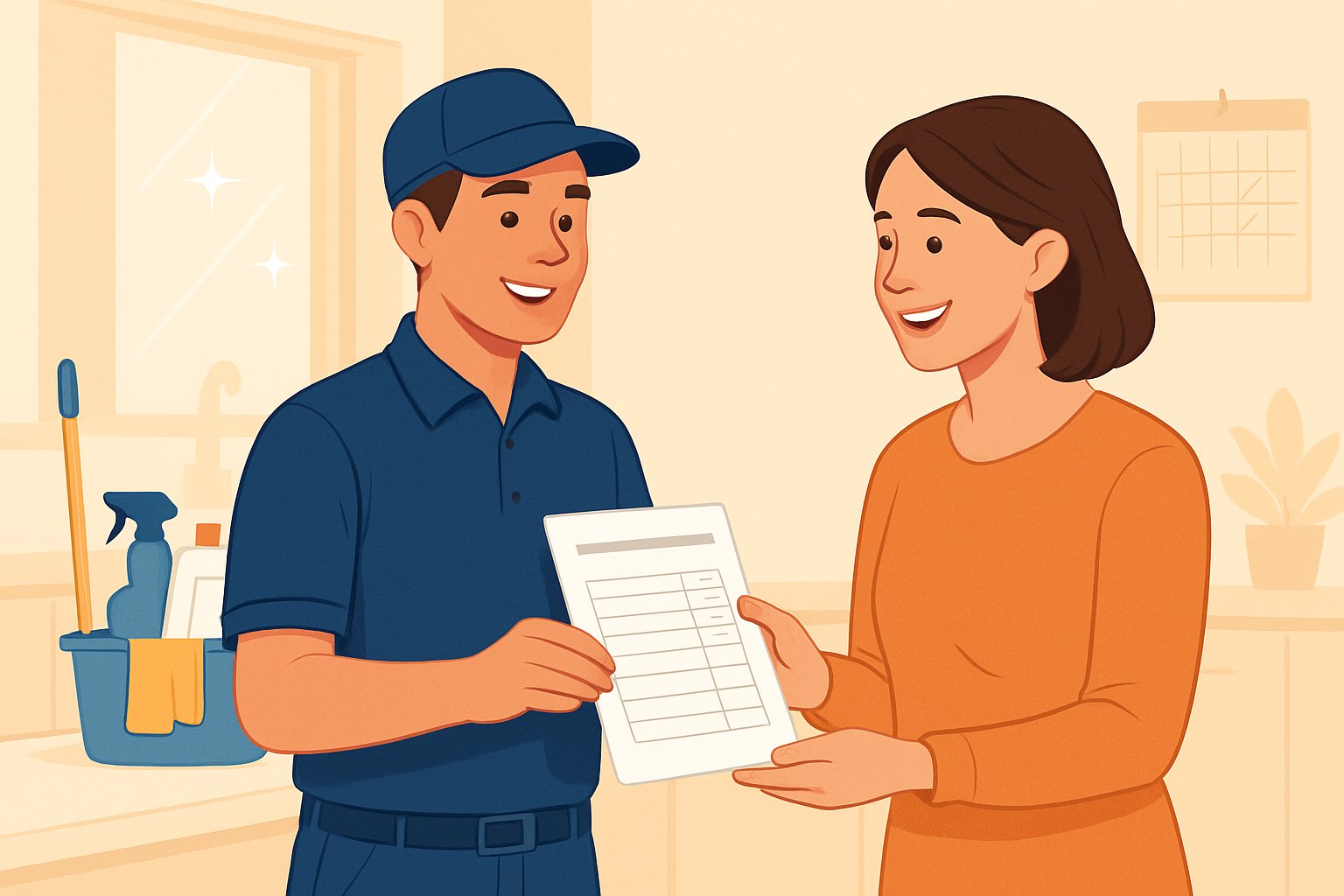
Simple things—like checking in after a job, sending a satisfaction survey, or including a thank-you note—can turn a basic business transaction into a lasting partnership.
Key Takeaways
- Consistent service and reliability lay the groundwork for long-term client relationships.
- Clear communication and personalized attention build trust and show genuine care for satisfaction.
- Regular follow-ups and small gestures like thank-you notes turn satisfied customers into loyal advocates.
Understanding Customer Retention in the Cleaning Industry
Customer retention in the cleaning industry is just the percentage of clients who stick with your services over a period of time.
Healthy retention rates usually fall between 65-80% annually, and repeat business forms the backbone of profitable cleaning operations.
Why Client Retention Matters for Cleaning Businesses
Repeat customers are the backbone of sustainable cleaning businesses.
Loyal clients bring in predictable monthly revenue, making it easier for business owners to plan staffing and equipment purchases.
Retained clients don’t need as much marketing effort as new prospects.
They already trust your service and know what they’re getting, so you spend less time on consultations and explanations.
Cleaning clients who stick around often increase their service frequency or add more services.
Maybe a residential client starts with monthly deep cleans and moves up to bi-weekly maintenance.
Commercial accounts might expand to include window or carpet cleaning.
Word-of-mouth referrals mostly come from happy long-term clients, and those referrals convert better because they already come with built-in trust.
Key Metrics: Attrition and Lifetime Value
Customer Lifetime Value (CLV) is the total revenue a client brings in over their relationship with your cleaning business.
For residential services, the average CLV ranges from $2,000 to $8,000, depending on how often and how long they stay.
| Client Type | Average Monthly Value | Typical Retention Period | Estimated CLV |
|---|---|---|---|
| Residential Weekly | $200 | 24 months | $4,800 |
| Residential Bi-weekly | $120 | 18 months | $2,160 |
| Commercial Small Office | $400 | 36 months | $14,400 |
Attrition rate is just the percentage of clients who stop using your services in a given timeframe.
Tracking monthly attrition helps spot seasonal dips or service issues before they hit your bottom line.
High-value clients deserve extra attention.
Losing a $500 monthly commercial account hurts more than losing three $50 residential clients.
Comparing Retention Vs. Acquisition Costs
Getting new cleaning clients costs five to seven times more than keeping the ones you already have.
Marketing, sales calls, and initial setup all add up fast.
Customer acquisition costs for cleaning businesses usually land between $100 and $300 per residential client.
That covers advertising, estimate appointments, and admin time.
Retention activities cost a lot less.
Follow-up calls, satisfaction surveys, or a small service upgrade barely make a dent compared to running ads.
A $20 thank-you gift for a loyal client is way cheaper than finding a replacement.
Business strategy should focus on retention investments until your retention rates are above industry benchmarks.
Companies with 80% retention rates can put more resources into growth through new client acquisition.
The cleaning industry sees profits jump quickly when retention improves by even 5%.
That growth compounds over time as the loyal client base becomes more stable and driven by referrals.
Delivering Consistent, Reliable Service
Predictable, high-quality experiences build trust with cleaning clients and drive satisfaction.
Standardized processes and proper training make sure every visit meets the same professional standards.
Setting and Maintaining Service Standards
Cleaning businesses need clear service standards so clients know exactly what to expect.
These standards should spell out specific tasks, time requirements, and quality benchmarks for each service.
Written service standards help teams understand what’s expected.
For residential cleaning, this could mean which rooms get cleaned, how long each task should take, and which supplies to use.
Commercial cleaning standards usually focus on safety and industry requirements.
Key service standards include:
- Task lists for each service type
- Time estimates for cleaning activities
- Quality benchmarks for completion
- Supply and equipment requirements
- Safety and security procedures
Managers should do spot checks and gather client feedback to keep standards consistent.
That’s what builds trust and keeps cleaning clients satisfied.
The Role of Checklists and Standardized Processes
Checklists keep teams from missing tasks and make sure every cleaning follows the same process.
They’re great quality control tools for both new and experienced cleaners.
Effective cleaning checklists break down each job into simple, actionable steps.
Room-by-room works well for residential; task-based lists suit commercial jobs.
Digital checklists have some real perks.
Teams can update them instantly, add photos for quality checks, and track completion times.
This data helps spot where things might slip.
Essential checklist elements:
- Specific tasks in logical order
- Time estimates for each activity
- Quality checkpoints
- Supply and equipment requirements
- Client-specific notes
Checklists also make training new employees easier.
They provide a roadmap that cuts down on guesswork and builds confidence.
In this business, that kind of consistency keeps customers coming back.
Team Training to Ensure Quality Every Visit
Good training gives cleaning staff the skills and know-how to deliver consistent results.
Training programs should cover cleaning techniques, customer service, and company standards.
New hires need hands-on practice with supervision.
Let experienced cleaners show them the ropes and explain why certain methods work best.
That really builds confidence.
Ongoing training keeps skills sharp and introduces new techniques or products.
Regular team meetings give everyone a chance to talk about quality issues and share tips.
Role-playing can help staff handle tough situations, too.
Training should cover:
- Using cleaning products and equipment safely
- Time management and workflow
- Customer communication and service standards
- Safety procedures and emergency steps
- Company policies and client preferences
Keep track of training and performance.
Regular reviews based on client feedback and quality checks make sure training actually works.
Well-trained teams are the backbone of client loyalty.
Building Trust Through Effective Communication
Good communication helps cleaning businesses build strong client relationships.
Quick responses, honest feedback handling, and clear policies set the stage for long-term loyalty.
Proactive Updates and Timely Responses
Fast communication tells clients their business matters.
Replying to calls, texts, or emails within a few hours really builds trust.
Send updates before each visit.
A quick text like “We’ll arrive at 2 PM today” keeps clients in the loop.
This small step prevents confusion and shows you care.
If schedules change, let clients know right away.
A call or text gives them time to adjust.
Last-minute changes without notice? That’s a surefire way to lose trust.
Set up automated reminders for consistent communication.
Appointment confirmations and arrival notifications can go out automatically—one less thing to worry about.
Handling Feedback and Resolving Issues
Ask for feedback after each job.
A simple “How did we do today?” by phone or text shows you care about their opinion.
When clients have concerns, respond quickly and listen.
Don’t get defensive.
Take notes during the conversation so clients know you’re serious about fixing problems.
Solve problems within 24 hours if you can.
If a client says something was missed, offer to come back and fix it.
Doing this at no extra charge can turn an unhappy client into a loyal one.
Some cleaning businesses use quick surveys to track satisfaction.
Send these monthly or after a few visits to see how you’re doing over time.
Transparent Scheduling and Service Policies
Clear policies keep everyone on the same page.
Write out exactly what’s included in your service so clients know what to expect.
Scheduling policies should be straightforward.
If you need 24-hour notice for changes, tell clients upfront.
Clear rules about cancellations and rescheduling avoid headaches later.
Communicate price changes honestly and early.
Nobody likes surprise bills.
Tell clients about any cost increases at least two weeks ahead so they can decide if they want to continue.
Create a simple service agreement with all your policies.
Cover arrival times, what happens if clients aren’t home, and how you handle special requests.
Personalizing the Client Experience
Building customer loyalty in cleaning takes more than just doing the basics.
Understanding each client’s preferences and adding thoughtful touches makes the experience memorable.
That’s what boosts customer satisfaction and keeps clients coming back.
Tailoring Services to Meet Client Preferences
Every client has their own quirks and needs.
Some want eco-friendly products because of allergies or environmental concerns.
Others have pets or need fragrance-free options.
Smart cleaning pros keep track of these preferences using client profiles or a CRM.
They note which rooms need extra attention, preferred times, and any special instructions.
Cleaning clients notice when you remember their requests.
Maybe it’s using a certain brand of cleaner, focusing on high-traffic spots, or avoiding certain rooms at specific times.
Stay in touch to catch changing needs.
A client’s preferences might shift as their household changes.
Being flexible shows you’re committed to personalized service.
Documenting these details avoids miscommunication and keeps service consistent.
Small Touches: Thank-You Notes and Special Gestures
Little gestures go a long way.
A handwritten thank-you note after the first cleaning shows you appreciate their business.
Sending a holiday card or birthday message helps you stay connected between visits.
These small touches cost almost nothing but leave a lasting impression.
Occasional bonus services surprise clients in a good way.
Maybe you wipe down baseboards during a regular visit or organize a cluttered area—just because.
Seasonal touches, like leaving a small flower arrangement or airing out the house, show you care about their space.
Time these gestures to reinforce positive experiences.
Leave a note after resolving a service issue or give a bonus after a client referral.
It’s the kind of thing people remember—and talk about.
Incentivizing Loyalty and Repeat Business
Smart cleaning business owners set up rewards that make clients want to come back.
Loyalty programs and targeted discounts can turn occasional customers into regulars.
Designing Loyalty Programs and Rewards
A good loyalty program makes it easy for clients to see the value in sticking around.
Keep it simple and easy to track.
Point-based systems work well.
Clients earn points for every dollar spent, and after hitting a milestone—say, 100 points—they get a free basic cleaning or 20% off their next service.
Service-based rewards are practical and appreciated.
After five cleanings, a client gets a free oven cleaning.
After ten visits, maybe they get a complimentary window washing.
The rewards need to be valuable enough to matter.
A 5% discount? Meh.
A free deep-clean after six regular cleanings? That gets attention.
Track progress with email updates or even a punch card for those who like something tangible.
Program examples that work:
- Free carpet cleaning after 8 house cleanings
- Complimentary refrigerator cleaning with every 5th service
- Priority scheduling for loyalty members during busy seasons
Implementing Discounts for Long-Term Clients
Long-term clients deserve special pricing that shows appreciation for their loyalty. It just makes sense to increase discounts as the relationship grows.
Frequency discounts reward regular scheduling. Weekly clients get 15% off standard rates. Bi-weekly clients receive 10% off. Monthly clients enjoy 5% off regular pricing.
Contract-based savings give committed clients more value. A six-month agreement knocks 10% off all services. Annual contracts? Those come with 15% savings and a free deep-clean on top.
Milestone rewards mark client anniversaries. After one year, clients get 20% off their next cleaning. Two-year clients score a free window cleaning with their regular service.
Make the discount structure obvious and automatic. Clients shouldn’t have to chase down their savings. Bill them at the reduced rate right from the start.
Effective discount strategies:
- Prepayment discounts (5% off when paying for 3 cleanings upfront)
- Referral bonuses ($25 credit for each new client referred)
- Seasonal promotions for existing clients only
Establishing Effective Follow-Up Routines
Regular follow-up contact helps build stronger relationships. It also lets cleaning business owners spot issues early, before they snowball.
Smart tracking systems make it easier to stay organized. You’ll respond faster when clients need something.
Post-Service Check-Ins and Feedback Requests
Timing matters when you reach out after a cleaning. The sweet spot is 24-48 hours after service, while everything’s still fresh for the client.
A quick phone call or text usually does the trick. Keep it short and focus on how satisfied they are with the job.
Key questions to ask:
- Was the cleaning up to your standards?
- Did our team arrive on time?
- Anything we could do better next time?
- Any concerns about the service?
Busy clients might prefer email. Whip up a short, friendly template that feels personal but saves you time.
Log all feedback in a client file. It helps you improve and shows clients you actually care about their opinions.
Some clients just won’t reply right away. Usually, one follow-up attempt is enough—you don’t want to seem pushy.
Periodic Satisfaction Surveys
Monthly or quarterly surveys let clients share deeper thoughts about the service. Keep these surveys short—5 to 7 focused questions sent by email works best.
Effective survey topics include:
- Overall satisfaction rating (1-10 scale)
- Staff professionalism and reliability
- Quality of cleaning results
- Communication effectiveness
- Value for money
Short and simple surveys get better results. Long ones? People tend to ignore or abandon them halfway through.
Offer a small incentive—maybe a discount on the next service—for completed surveys. It boosts response rates and shows you value their time.
Digital survey tools like Google Forms or SurveyMonkey make collecting responses a breeze. They’ll even organize everything into easy-to-read reports.
Share positive survey results with your cleaning team. It’s a morale boost and encourages good customer service habits.
When negative feedback pops up, jump on it fast with a personal response and a plan to fix things.
Tracking and Responding to Client Concerns
A simple tracking system keeps you on top of client issues and follow-up schedules. You can use a basic spreadsheet or invest in customer management software.
Essential tracking information:
- Client contact details
- Service dates and frequency
- Follow-up dates and methods
- Feedback received
- Issues reported and resolution status
Set up automatic reminders for follow-up calls and survey emails. It’s easy to forget check-ins when things get busy.
Response time goals should be clear and realistic. Aim to respond to concerns within 24 hours—even if it’s just to say you’re working on it.
When problems come up, jot down the issue, what you did to fix it, and if the client was happy with the solution. Over time, this record helps you spot patterns and prevent repeat problems.
Train your staff on handling client feedback. Everyone should know who to contact when issues arise and how to document them.
Review tracking data regularly. It’ll help you spot trends in client satisfaction and show where you can step up your service game.
Turning Satisfied Clients into Advocates
Happy clients are some of the best marketing tools you can have. If you set up systems for referrals and reviews, you’ll see a steady stream of new customers.
Encouraging Referrals and Word-of-Mouth
Loyal clients want to share good experiences. Make it easy and rewarding for them.
Referral programs are a natural fit in the cleaning business. Offer existing clients a discount or free service for every new customer they refer. Give the new client a perk too—like 20% off their first cleaning.
Timing matters with referrals. The best time to ask is right after you’ve done great work or received a compliment. Try, “We’re glad you’re happy! Know anyone else who’d appreciate our cleaning?”
Social media takes word-of-mouth to another level. Clients can share photos of their sparkling homes or recommend you in local Facebook groups. Encourage them by posting shareable content.
Personal connections make the strongest referrals. When clients trust your service, they’ll recommend you to neighbors and coworkers.
Leveraging Reviews and Testimonials
Online reviews play a huge role in customer loyalty and repeat business. Let’s be honest—most people check reviews before hiring anyone.
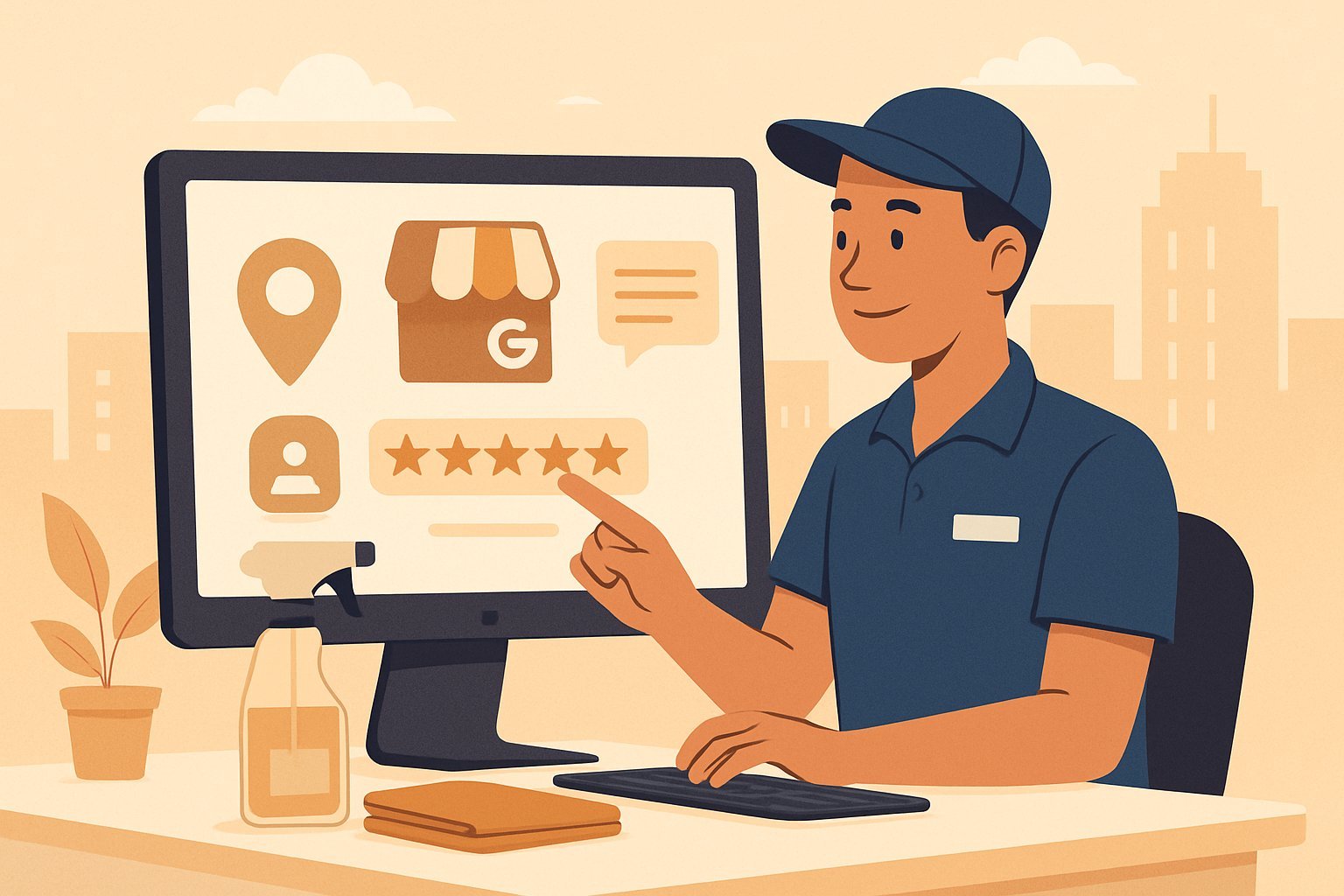
Google Reviews show up in local searches and build credibility. Ask happy clients to leave a review within a few days of service. A quick text with a direct link makes it super easy.
Before-and-after photos make testimonials pop. Clients love showing off a transformed kitchen or bathroom. Post these visuals on your website or social media.
Review timing matters. Ask for reviews right after a great cleaning session. Automated follow-up messages or in-person requests both work.
Responding to reviews shows you care. Thank people for positive feedback and address any concerns in negative ones. Future clients notice.
Show off testimonials on your website and in marketing. Real client quotes go a long way in building trust.
Frequently Asked Questions
Building client loyalty isn’t magic—it’s about doing a few specific things really well. Here are some practical answers to common concerns cleaning service owners run into.
What strategies can ensure consistent quality in cleaning services to enhance customer loyalty?
Cleaning businesses can keep quality consistent by using detailed checklists for every service type. Staff follow these lists and finish tasks the same way each time.
Regular training keeps everyone’s cleaning techniques sharp and consistent. New hires should shadow seasoned cleaners before working solo.
Quality control inspections catch issues before clients spot them. Supervisors check jobs at random and note any problems.
Use the same cleaning products and equipment to avoid variation. If you swap supplies, clients might notice differences in how things look or smell.
How can developing a reliable follow-up routine improve client retention for my cleaning business?
A follow-up routine tells clients you care about their satisfaction beyond the first cleaning. Contacting them within 24 hours shows you’re committed to quality.
Following up lets you catch small issues before they become big complaints. Clients appreciate when you ask about their experience and fix things quickly.
Check in every few months to keep relationships strong. These chats often reveal changing needs or preferences you’d otherwise miss.
Follow-up calls also open the door to upselling. Happy clients are more likely to book extra services when you reach out personally.
Why is good communication integral to maintaining a strong client base in the cleaning industry?
Clear communication avoids confusion about what clients get and what it’ll cost. When expectations are set, clients feel more secure about hiring you.
Replying quickly to calls and texts builds trust. Clients want to know you’re reachable.
Keep clients updated about schedule changes or service tweaks. No one likes surprises about home or office access.
Listen to feedback and act on it. When you make requested changes, clients feel heard and valued.
How can small gestures like thank-you notes contribute to higher client retention rates?
Thank-you notes make clients feel genuinely appreciated. A handwritten note stands out these days and shows you took the time.
These small touches set you apart from competitors who only focus on the task. Clients remember businesses that make them feel special.
Slip in a cleaning tip or maintenance reminder. That extra value keeps you in their thoughts between visits.
Personalized messages referencing something unique about the client’s home or preferences really hit home. People notice when you pay attention to the details.
What role do customer satisfaction surveys play in keeping cleaning service clients engaged?
Satisfaction surveys give clients a say in how you serve them. People want to know their feedback matters.
Short, simple surveys get more responses. Three to five focused questions are enough to get useful info without overwhelming anyone.
Act on survey results to show clients you’re listening. When you make changes based on feedback, clients become more invested in your service.
Survey responses help you spot training needs or service gaps before clients get unhappy. Early fixes prevent client loss and keep quality high.
In what ways can offering occasional bonus services lead to positive client referrals and business growth?
Surprise bonus services stick in clients’ minds. When you vacuum a car or clean some outdoor furniture, it just feels like you went the extra mile.
People love to talk about little surprises like that. Clients end up telling friends and family about those unexpected perks.
Offering bonus services around the holidays or for special events shows you actually care. Cleaning light fixtures before a party or doing a deep-clean on baseboards before guests arrive—those details matter.
Just make sure these extras are truly free. Clients should feel appreciated, not anxious about surprise charges showing up later.